
Weeping larch
Larix pendula
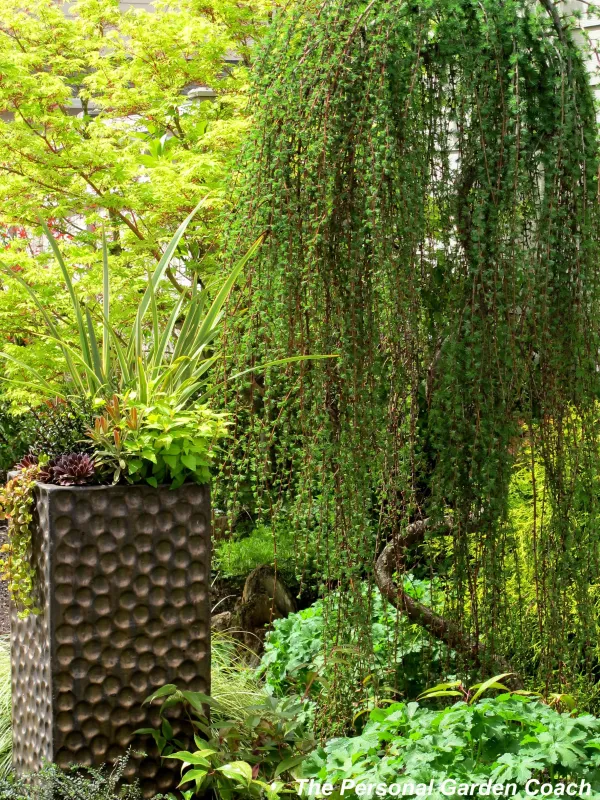
Description
Growing requirements
The weeping larch (Larix pendula), belonging to the Pinaceae family, is a distinct coniferous tree known for its pendulous, graceful branches. Originally native to North America, it has gained popularity worldwide as an ornamental feature in landscape design due to its unique silhouette. Unlike many other conifers, the larch is deciduous, shedding its needle-like leaves every autumn after a vibrant golden display.
This species requires a site with full sun exposure to maintain its characteristic shape and density. When planted in shaded locations, the tree tends to become sparse and lose its ornamental value. Growers should ensure that the planting site offers enough vertical and horizontal clearance, as the weeping branches can spread significantly over time, necessitating adequate space for proper development.
Larix pendula thrives in well-draining, fertile soils, preferring a loamy or sandy-loam composition. The tree is intolerant of waterlogged conditions, which can quickly lead to root rot. If the soil is heavy or prone to compaction, creating a raised mound or incorporating gravel into the planting hole is essential to facilitate water movement and prevent anaerobic soil conditions.
Climate requirements for the weeping larch include a preference for cool, moist summers and cold winters. It is highly resistant to freezing temperatures, making it an excellent choice for northern regions. However, the tree is sensitive to extreme heat and prolonged droughts, which may result in leaf scorch or premature needle drop. Consistent watering is vital, especially during the first few years after transplanting.
Agronomic management includes mulching the base of the tree to regulate soil temperature and retain moisture. Organic mulch such as pine bark or wood chips is ideal for this purpose, provided it does not directly touch the tree trunk. Maintenance of the tree's form may involve light pruning during the dormant season to remove any broken or crossing branches, ensuring the weeping habit remains healthy and balanced.
Main diseases and pests
The weeping larch is susceptible to various fungal pathogens, with needle cast disease (often caused by Meria laricis) being a significant concern. This condition manifests as browning and early loss of needles, often triggered by prolonged damp conditions around the canopy. Preventive measures include ensuring good airflow through the branches by avoiding overcrowded plantings and keeping the surrounding environment clean of infected debris.
Insects such as woolly larch adelgids are common pests that feed on sap, causing stunted shoot growth and a distorted appearance in the foliage. Effective management involves the use of dormant oils or systemic insecticides applied during the early stages of infestation. Monitoring for the characteristic white, cottony masses on the branches during spring is a key step for early detection.
Stem-boring beetles may target stressed or weakened trees, creating tunnels under the bark that weaken the overall structure. To mitigate this risk, it is crucial to keep the tree hydrated and healthy, as vigorous trees are better able to defend themselves against borers. Any dead or severely infested branches should be pruned promptly and destroyed to prevent the beetles from spreading to other parts of the tree.
Rust diseases can also affect the tree, typically appearing as orange or yellow pustules on the needles. These diseases are often linked to the presence of secondary hosts in the vicinity. Maintaining a diverse garden and ensuring adequate distance between different plant species can reduce the incidence and severity of rust outbreaks, preserving the aesthetic quality of the larch.
A comprehensive integrated pest management strategy remains the best approach to ensure the longevity of the weeping larch. This includes regular observation, the maintenance of soil health, and the application of treatments only when necessary. By fostering a balanced ecosystem, gardeners can minimize the need for heavy chemical intervention while keeping their weeping larch specimens healthy and vibrant.