
Masters larch
Larix mastersiana
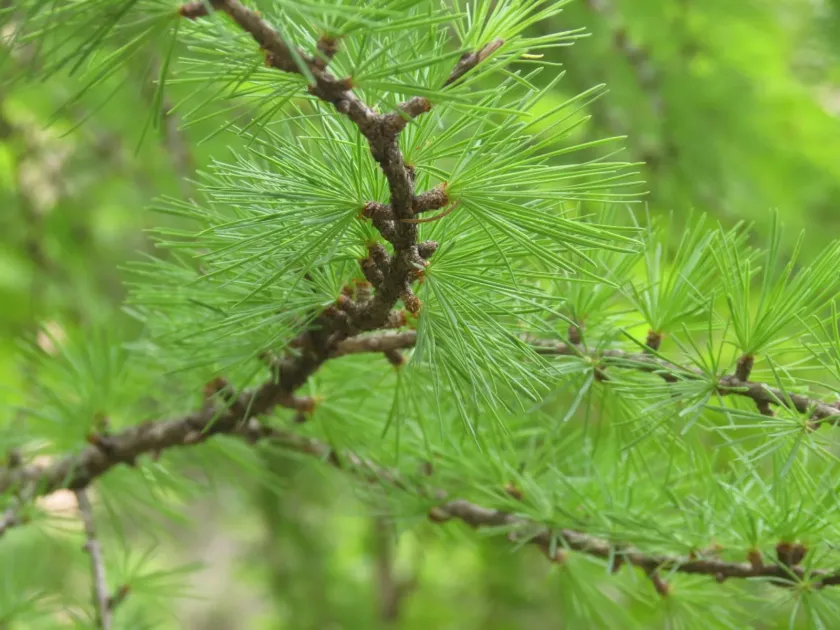
Description
Growing requirements
Masters larch (Larix mastersiana) is a species of coniferous tree belonging to the Pinaceae family. It is a rare species native to the mountainous regions of southwestern China, primarily in Sichuan province, where it thrives at high elevations.
This species requires a cool, moist climate characterized by moderate summer temperatures. It is well-adapted to high-altitude environments where consistent atmospheric humidity supports the development of its needles and overall structural integrity.
The soil requirements are strict: the tree demands well-drained, nutrient-rich substrates with a slightly acidic to neutral pH. Poorly drained or waterlogged soils are detrimental to the roots, making site selection a critical factor for long-term health.
In terms of usage, the Masters larch is primarily valued for its aesthetic appeal in botanical collections and its potential for reforestation in specific high-altitude zones. It is rarely seen in standard commercial forestry due to its niche ecological needs.
Cultivation practices involve maintaining adequate soil moisture and ensuring the tree is not exposed to extreme heat or drought. Propagation is typically achieved through seeds, which require stratification to break dormancy and ensure successful germination.
Main diseases and pests
The primary threats to this species include fungal infections such as needle cast and rust diseases, which are exacerbated by high humidity levels and poor air circulation within the canopy.
Pests like adelgids and needle-feeding larvae can cause significant damage to the foliage, weakening the tree's health and reducing its aesthetic value if left untreated during the growing season.
Effective management includes preventative applications of fungicides and systemic insecticides. Maintaining good hygiene by removing fallen needles under the tree helps reduce the fungal pathogen load in the immediate environment.
Pruning is an essential maintenance task to facilitate better airflow and light penetration, which helps prevent the development of many moisture-loving diseases that frequently affect Larix species.
Continuous monitoring of the bark and needle condition is crucial for identifying early signs of stress or pest infestation, allowing for prompt intervention to preserve the vitality of these rare specimens.