
Dunkeld larch
Larix marschlinsii
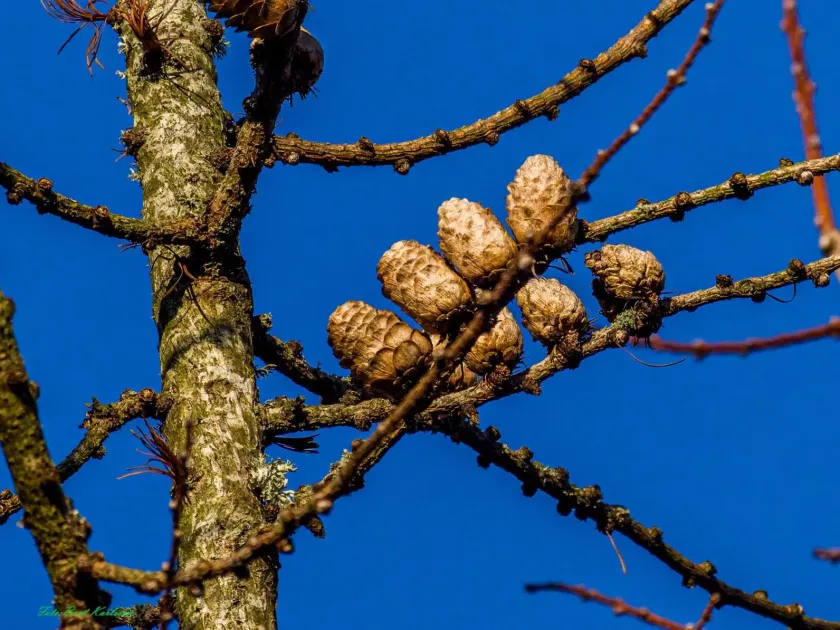
Description
Growing requirements
The Dunkeld larch (Larix × marschlinsii) is a hybrid conifer of the Pinaceae family, resulting from the cross between the European larch and the Japanese larch. This tree is highly regarded in silviculture for its exceptional growth rate and hybrid vigor.
Originating from regions where both parent species coexist, the Dunkeld larch has become a significant forestry crop. Its rapid development allows for shorter rotation cycles compared to native larch species, making it an efficient choice for timber production.
Soil requirements are relatively specific: the tree thrives best in deep, fertile, and well-drained soils. While it exhibits some tolerance to different soil textures, it avoids sites with heavy clay or waterlogged conditions that can hinder root health.
The climate preference for this hybrid includes temperate zones with regular rainfall. It is well-adapted to cooler climates, showing excellent resistance to harsh winters, which makes it a robust option for reforestation projects in northern regions.
In addition to timber usage, the Dunkeld larch is utilized for windbreaks and landscape restoration. Its biological properties ensure that it can establish quickly and compete effectively with weeds once properly managed during the initial stages of planting.
Main diseases and pests
The main pathological threat to the Dunkeld larch is the canker disease caused by Lachnellula willkommii. This fungus primarily affects trees in humid or poorly ventilated stands, leading to stem damage and significant growth loss.
Insect pests such as the larch casebearer can cause severe damage to needles, impacting the tree's photosynthetic capacity. Integrated pest management strategies are crucial to minimize these infestations during the active growing season.
Management of these threats involves monitoring the stands for early signs of infection or insect activity. Pruning lower, infected branches can help improve air circulation and reduce the overall spore load in the plantation.
When selecting planting sites, foresters must ensure adequate spacing to prevent canopy overcrowding. Proper spatial planning is a key preventive measure against the rapid spread of fungal pathogens in dense forest blocks.
Chemical intervention is reserved for severe outbreaks, utilizing specific fungicides or systemic insecticides. Sustainable forestry practices prioritize biological control and the maintenance of vigorous, healthy stands to naturally resist pests and diseases.