
Hybrid larch
Larix hybrids
Description
Sowing dates
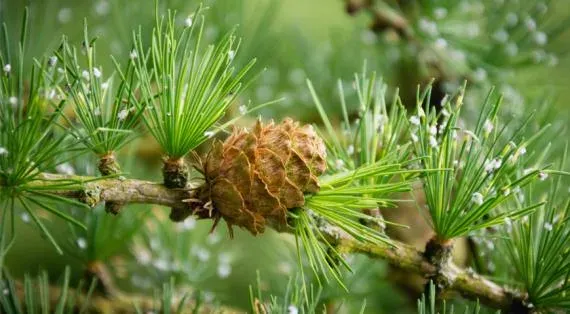
Hybrid larch (Larix hybrids) refers to the progeny resulting from crossing different species within the Larix genus, such as European and Japanese larch. These trees belong to the Pinaceae family and are highly prized in forestry for their superior growth rates compared to parental species.
Seed production for these hybrids is managed in designated seed orchards. These orchards are strategically designed to promote cross-pollination between selected superior parent trees, ensuring that the offspring retain the beneficial heterosis traits.
Sowing in forest nurseries is typically scheduled for early spring. Seeds undergo pre-sowing treatments like cold stratification to break dormancy, which is crucial for achieving uniform and high-percentage germination rates in the nursery beds.
Modern nursery techniques prioritize the use of container-grown seedlings. This method facilitates better root development, reduces transplanting shock, and allows for more flexible planting schedules during the reforestation season.
For plantation establishment, seedlings are planted at specific intervals to optimize space and light resources. The density is carefully calculated based on site quality and the intended final use of the timber to ensure maximum yield per hectare.
Growing requirements
As a light-demanding species, hybrid larch thrives in open environments with full exposure to sunlight. It is not suitable for underplanting or areas where it will be shaded by larger, more aggressive tree species throughout the growing season.
The species prefers deep, well-drained, fertile soils with a slightly acidic to neutral pH. While it is tolerant of various soil types, it performs best on loamy soils where moisture is available but stagnant water is avoided to prevent root diseases.
Climate adaptability is one of the key strengths of hybrid larch. These trees are known for their tolerance to varying temperature regimes and show good resistance to late spring frosts compared to other coniferous species, making them suitable for diverse regions.
Ongoing maintenance involves keeping the base of the trees free from competing weeds during the establishment phase. Proper vegetation management is essential during the first few years to ensure the young trees receive adequate nutrients and soil moisture.
Fertilization regimes should be based on soil testing. While hybrid larch is vigorous, supplemental nutrients, especially during the seedling stage, can significantly improve initial growth rates and enhance the tree's natural defense systems.
Yield
Hybrid larch is primarily grown for its high-quality timber. Due to its fast growth, the rotation period for harvesting is significantly shorter than that of native larch species, which provides a clear economic advantage for forest owners and investors.
The timber produced is dense, durable, and naturally resistant to rot and decay. These physical properties make it a premier choice for outdoor construction, marine piling, bridge building, and high-quality joinery that requires longevity and structural integrity.
Beyond timber production, the species contributes positively to ecosystem services. Hybrid larch stands are efficient at carbon sequestration, providing environmental benefits alongside their commercial value in sustainable forest management projects.
The yield per hectare is significantly higher than that of traditional larch stands. Through professional silvicultural management, including pruning and thinning, foresters can maximize the production of high-value clear wood within shorter timeframes.
The wood's versatility extends to the pulp and paper industry, where the long fibers of larch are highly valued. This creates multiple market channels for the wood, ensuring stable economic returns for commercial plantation operations.
Main diseases and pests
The larch case-bearer moth is a common pest that can affect plantation health by consuming needles. Integrated pest management strategies, including the use of targeted biological controls or timely insecticide applications, are used to mitigate damage.
Larch needle cast, a fungal disease, can occur in humid conditions. It causes needle discoloration and premature shedding, which may reduce the tree's vigor and slow down the annual growth rate if not managed effectively through silvicultural measures.
Stem borers pose a secondary risk, particularly in stands that have been stressed by environmental factors or overcrowding. Maintaining optimal stand health through regular thinning is a primary preventive measure against such infestations.
Animal browsing, especially by deer, can be a major challenge for young plantations. Protective measures such as individual seedling guards, chemical repellents, or physical fencing are often necessary until the trees reach a height where they are no longer vulnerable.
- Implementation of regular forest health surveys.
- Strategic thinning to promote vigorous tree growth.
- Selection of resistant hybrid genotypes for site-specific planting.