
Delavay fir
Abies delavayi
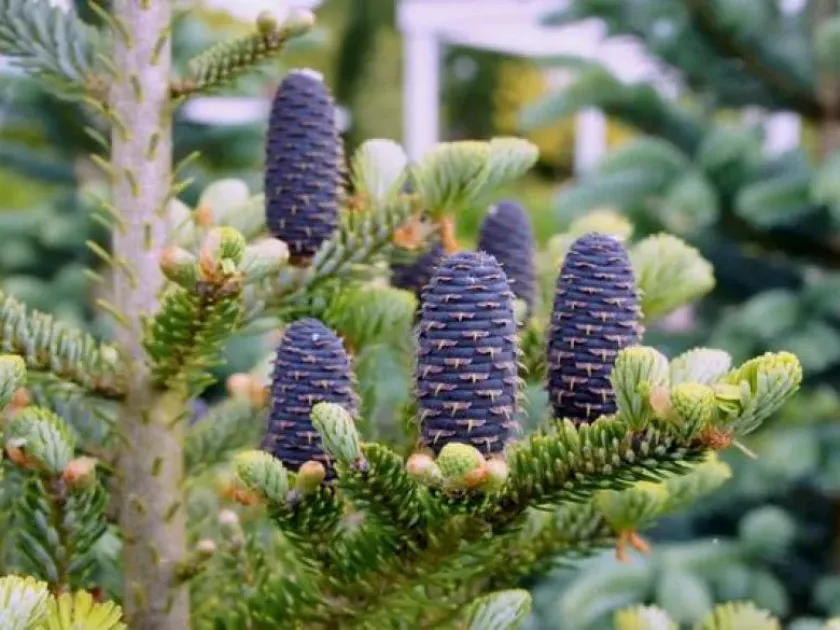
Description
Sowing dates
The propagation of Abies delavayi is primarily carried out through seeds within controlled nursery environments. Seeds are typically sown in early spring into a well-draining, sterile substrate.
Stratification is a critical step for germination; seeds should be chilled for several weeks to break dormancy. This process ensures a more uniform emergence of seedlings during the growing season.
Seedlings require shaded conditions during their first years to prevent dehydration and sunscald. Providing consistent moisture without waterlogging is essential for the healthy development of young root systems.
Once the saplings reach a height of 20–30 cm, they can be transplanted into larger containers or specific nursery beds. Proper spacing is necessary to facilitate airflow and reduce the risk of diseases.
Due to its slow initial growth rate, long-term planning is essential for nursery production. Patience and attention to detail are required during the early stages of the life cycle.
Growing requirements
Delavay fir, a member of the Pinaceae family, is native to high-altitude mountainous regions of the Himalayas and Southwest China. It thrives in cool, moist, and temperate climates.
The species prefers deep, nutrient-rich, and well-draining soils with an acidic to neutral pH. Avoid heavy clay soils that retain excessive water, as this leads to root suffocation.
Protection from strong, drying winds is vital for maintaining the aesthetic quality of the needles. While the tree can tolerate some exposure, semi-shaded locations are generally preferred.
High atmospheric humidity is crucial for the optimal growth of this fir. In cultivation, supplemental watering during dry spells or misting systems can significantly enhance plant vigor.
Mulching is a recommended practice to maintain stable soil temperatures and moisture levels. Organic mulches also contribute to soil health as they decompose over time.
Main diseases and pests
Needle cast and various rust diseases represent significant threats, especially in environments with poor ventilation or high humidity. Proper sanitation and spacing are the first lines of defense.
Pests such as balsam woolly adelgids and spider mites are common concerns. Regular monitoring of the foliage helps in detecting infestations before they become widespread across the plantation.
Root rot caused by Phytophthora is a major risk in waterlogged soil. Ensuring perfect drainage is the most effective management strategy to prevent this lethal condition.
During severe outbreaks, systemic fungicides or acaricides may be required to protect the crop. Always rotate chemical treatments to prevent resistance development in pathogens.
Overall, maintaining tree vitality through proper nutrition and water management is the best way to ensure the plant can resist primary pests and environmental stress effectively.