
Bristlecone fir
Abies bracteata
Description
Growing requirements
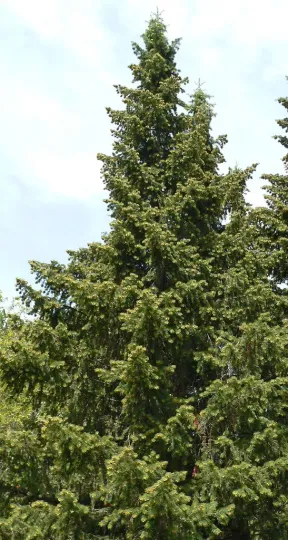
The bristlecone fir (Abies bracteata) is a member of the Pine family (Pinaceae). It is highly prized for its unique, long, and needle-like bracts that protrude from its cones, creating a striking aesthetic profile.
Native to the coastal mountains of California, this species thrives in deep, well-drained soils that remain consistently moist without waterlogging. It performs best in soils with a slightly acidic to neutral pH balance.
Climate preferences for this fir include mild, temperate environments with high humidity. It is sensitive to extreme frosts and desiccating winds, requiring a sheltered location to reach its full potential.
Agricultural management involves regular irrigation during the establishment phase and long dry spells. Mulching around the base is essential to keep the soil temperature stable and retain vital moisture levels.
The primary use of this species is ornamental. It is a rare specimen often sought after by arboretums and collectors for its distinctive appearance and historical significance in forestry conservation.
Main diseases and pests
The main pathological threats include fungal root rots caused by excessive moisture levels and poor soil aeration, which can compromise the tree's vascular system.
Common pests affecting Abies bracteata include various aphids and adelgids that infest the foliage, as well as spider mites during periods of prolonged heat and drought.
Cultural control measures involve maintaining proper spacing between trees to ensure good air circulation, which significantly reduces the risk of foliar fungus development.
Systemic insecticides should be applied selectively if pest populations reach economic thresholds, ensuring that native predators are not adversely affected.
Ongoing monitoring is critical, especially during the growth season, to detect early signs of infestations and ensure the long-term vitality of these rare conifers.