
Baishanzu fir
Abies beshuanzuensis
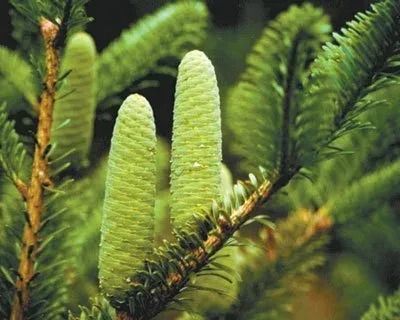
Description
Growing requirements
The Baishanzu fir (Abies beshuanzuensis) is a rare coniferous tree species belonging to the Pinaceae family. It is an endemic species found exclusively on the slopes of Baishanzu Mountain in Zhejiang Province, China, representing a significant botanical rarity.
Botanically, the tree is characterized by its distinct needles and cone morphology, which are adapted to its specific high-altitude environment. Due to its extremely limited population size, it is classified as critically endangered and is under strict legal protection.
The species requires a cool, humid climate with stable temperatures throughout the year. It thrives in high-altitude zones where moisture levels remain consistently high, and the air is fresh and clear, away from industrial pollutants.
Regarding soil requirements, the Baishanzu fir prefers fertile, well-drained loamy soils with a slightly acidic pH level. Proper drainage is essential, as waterlogging can cause severe damage to the sensitive root system and trigger root rot.
In terms of agricultural and research use, the species is mainly propagated in controlled environments such as botanical gardens. Its cultivation is focused on species conservation rather than economic production, ensuring the survival of this genetic heritage.
Main diseases and pests
The Baishanzu fir faces significant threats from environmental instability and a lack of natural regeneration. The low number of individuals in the wild makes the population vulnerable to even minor ecological changes or localized disasters.
Pathogenic fungi are major threats in artificial cultivation environments. Diseases such as needle cast or root rot can rapidly decimate young nursery stocks if the environmental humidity is not properly managed or if air circulation is inadequate.
Insects like spider mites and aphids pose a constant threat to the vitality of the trees. These pests feed on the needles and tender shoots, leading to loss of vigor and making the trees susceptible to secondary infections or environmental stress.
Sustainable pest management requires regular monitoring and the use of eco-friendly biological controls where possible. Protecting the trees from invasive species or localized outbreaks is crucial for the ongoing restoration of the species.
Conservation efforts often include the implementation of strict forest management practices. By minimizing human impact and maintaining healthy conditions, specialists aim to mitigate these biological threats and secure a future for the Baishanzu fir.