
Beshanzu fir
Abies beshanzuensis
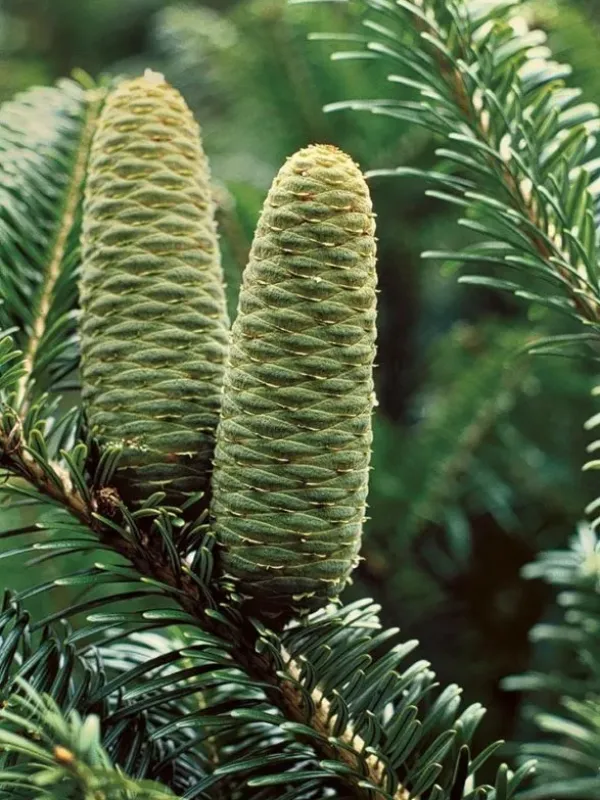
Description
Growing requirements
The Beshanzu fir is a rare coniferous tree species belonging to the Pinaceae family, native to a very small region in the Beshanzu mountains of China.
This species is found exclusively at high elevations where it thrives in cool, humid conditions characterized by constant mountain fog and moderate rainfall.
Optimal growth requires well-drained, nutrient-rich soils with slightly acidic pH levels, reflecting the specific mountain ecology of its limited natural habitat.
Cultivation outside its native range is extremely difficult due to the tree's precise requirements for temperature regulation and high ambient humidity levels.
In forestry and botanical garden settings, intensive care is provided to seedlings, including precise shade management and protection from temperature extremes.
Main diseases and pests
The primary threat to the Beshanzu fir is its extremely small population size, which creates a significant risk of genetic degradation and poor reproductive success.
Fungal pathogens targeting the roots and needles are common threats in nursery environments if drainage is insufficient or if hygiene protocols are neglected.
Pest attacks, such as aphids or bark-boring insects, can severely impact the vitality of the remaining trees, necessitating vigilant integrated pest management.
Climate instability and shifts in the microclimate of its natural mountain habitat pose ongoing challenges to the survival of the remaining wild specimens.
Conservation efforts are focused on ex-situ propagation and careful management to mitigate the risks of disease outbreaks and environmental stress.