
Bulgarian fir
Abies borisii-regis
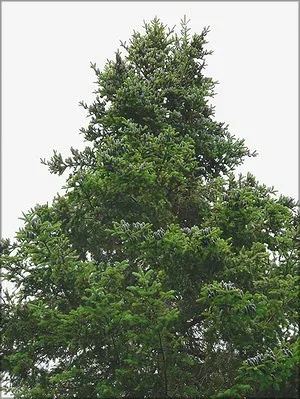
Description
Growing requirements
Bulgarian fir (Abies borisii-regis) is a significant coniferous species of the Pinaceae family, widely recognized as a natural hybrid between Abies alba and Abies cephalonica. This tree is highly valued for its robust growth habit and ornamental appearance in specialized forestry projects.
The native distribution of the species is centered in the Balkan Peninsula, including Bulgaria, Greece, and North Macedonia. It thrives in high-altitude mountain environments, characterized by cool temperatures, high atmospheric humidity, and relatively stable climatic conditions throughout the year.
Successful cultivation requires deep, fertile, and well-drained soils. The species does not tolerate waterlogged conditions, making proper site selection and soil drainage assessments critical before planting large-scale commercial or reforestation stands.
In terms of light requirements, Bulgarian fir exhibits moderate shade tolerance during its juvenile stages, which is beneficial for natural regeneration under a forest canopy. As the trees mature, they require sufficient crown exposure to sunlight to maintain high vigor and optimal timber quality.
General silvicultural management involves monitoring soil acidity and ensuring the presence of beneficial mycorrhizal fungi. Mulching the base of young trees is an effective technique to conserve soil moisture and mitigate temperature fluctuations around the sensitive root system.
Main diseases and pests
The species is susceptible to various fungal pathogens, particularly needle cast and bark diseases that occur in areas with poor airflow and excessive moisture. Silvicultural practices such as thinning and sanitary pruning are essential to reduce the spread of these fungal outbreaks.
Insect pests, including aphids and specialized conifer mites, can occasionally reach outbreak levels in poorly managed stands. Integrated Pest Management (IPM) strategies, including biological controls and targeted chemical treatments, are recommended to preserve tree health and economic yield.