
Shensi fir
Abies chensiensis
Description
Growing requirements
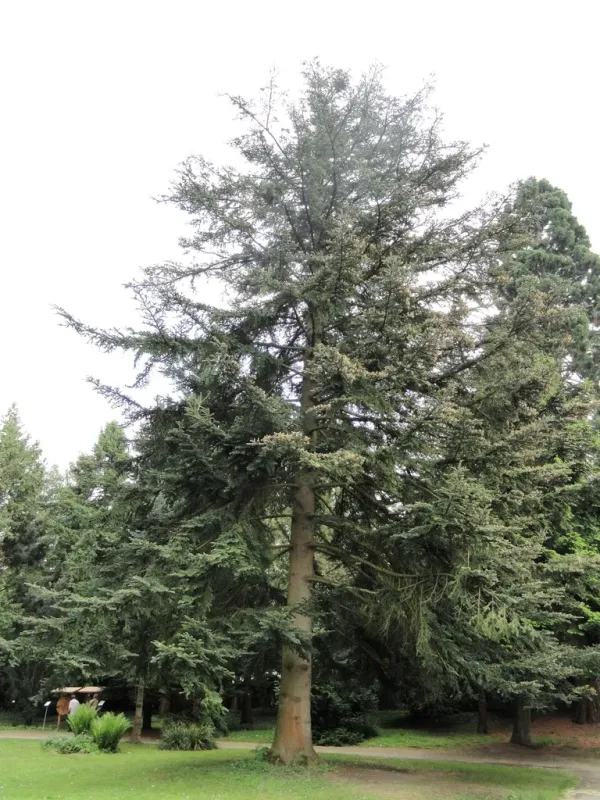
The Shensi fir (Abies chensiensis) is a majestic evergreen conifer belonging to the Pinaceae family. Known for its significant height and elegant appearance, this tree is a prized specimen in dendrological collections and botanical gardens across temperate regions.
The species originates from the mountainous regions of Western and Central China. It thrives in high-altitude environments characterized by cool temperatures and significant precipitation throughout the year, which should be replicated in cultivation whenever possible.
Successful growth of Abies chensiensis requires deep, fertile, and well-drained soils. The species is sensitive to waterlogged conditions, making site selection with adequate permeability essential for the long-term survival and vigor of the tree.
Regarding climatic needs, this fir prefers sites that offer protection from harsh, dry winds and excessive direct sun during the hottest months. It thrives in partial shade, especially during the early stages of establishment, allowing for steady and healthy development.
Horticultural uses for the Shensi fir focus primarily on ornamental planting in large garden spaces or specialized arboretums. Its wood, while valuable, is rarely harvested commercially due to the tree's slow growth rate and protected status in many natural habitats.
Main diseases and pests
Like many fir species, Abies chensiensis is susceptible to root rots caused by various Phytophthora species if the soil remains excessively wet. Ensuring excellent drainage is the primary method of preventing these soil-borne fungal pathogens from damaging the tree.
Pest threats include woolly aphids and mites, which can cause foliage yellowing and premature needle drop. Effective management involves monitoring for early signs of infestation and applying appropriate systemic insecticides to preserve the tree's aesthetic value and health.