
Cheng fir
Abies chengii
Description
Growing requirements
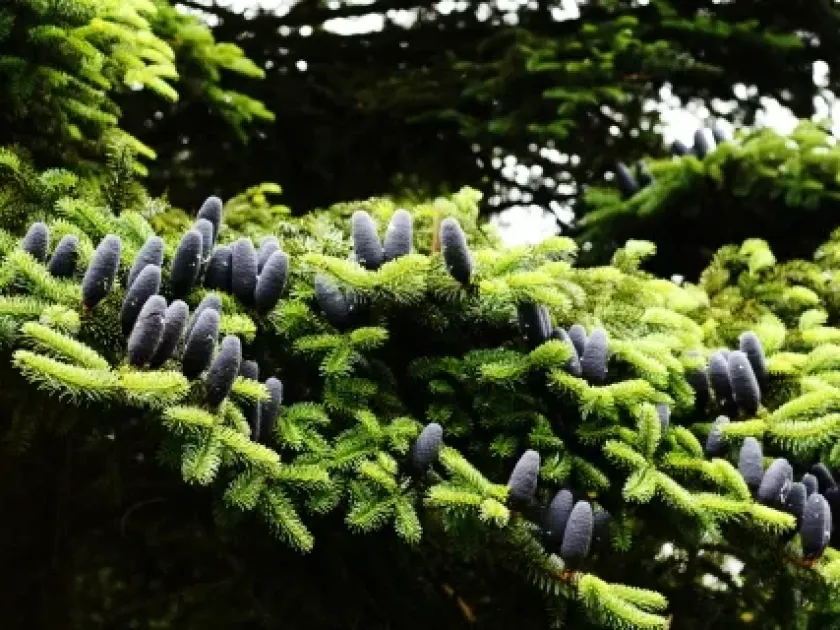
The Cheng fir (Abies chengii) is a rare evergreen coniferous tree belonging to the Pinaceae family. Native to the mountainous regions of Sichuan and Gansu in China, this species thrives in high-altitude environments characterized by cool temperatures and significant precipitation levels.
For successful growth, this tree requires deep, well-draining, and nutrient-rich soils with a slightly acidic pH. It is highly sensitive to soil compaction and waterlogging, which can cause root rot. Planting sites should be selected to provide shelter from strong, drying winds during the growing season.
Botanically, Abies chengii is distinguished by its symmetrical, pyramidal shape and dense, dark green foliage. The tree adapts to mountainous climates where humidity remains high throughout the year, which is crucial for the health of its needles and overall growth rate.
In terms of agrotechnology, propagation is primarily conducted via seeds in nursery conditions. Seeds require a period of stratification to overcome dormancy. Young saplings must be protected from direct sunlight and extreme drought during their initial development phases to ensure high survival rates.
The practical application of the Cheng fir is mainly concentrated in botanical research and rare specimen cultivation. Its graceful structure makes it an excellent choice for landscape architecture in regions that mimic its natural alpine habitat, providing both ecological and aesthetic value.
Main diseases and pests
The health of the Cheng fir is often threatened by fungal infections, particularly during periods of excessive rainfall or poor air circulation. Effective management requires constant monitoring and the application of appropriate antifungal treatments to protect the foliage.
Pest attacks, including aphids, sawflies, and wood-boring insects, represent significant threats to the long-term vitality of the tree. Implementing an integrated pest management program, including regular inspections and biological controls, is essential for maintaining a healthy plantation.