
Chilean guava
Ugni molinae Turcz.
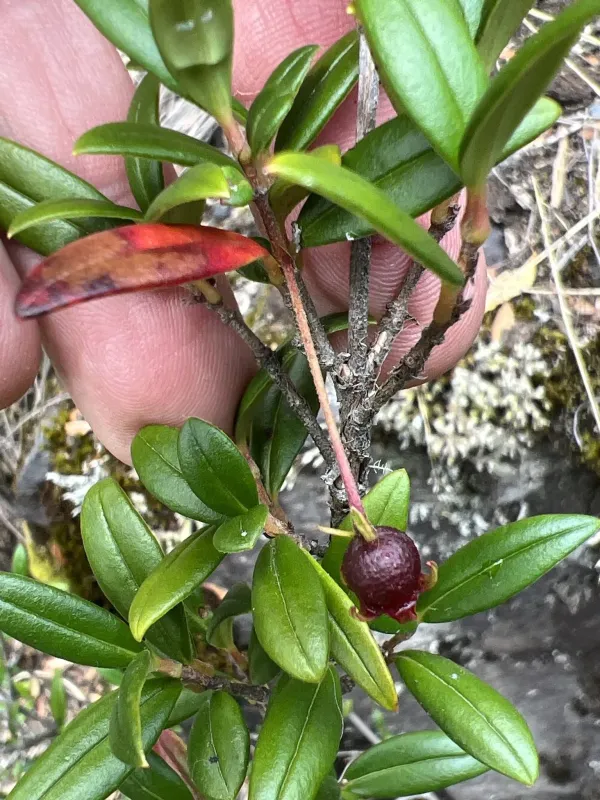
Description
Sowing dates
Seeds of the Chilean guava should be sown in early spring in a well-draining, peat-based potting mix. Keep the soil consistently moist and maintain a temperature of approximately 20–22°C to ensure successful germination.
Stratification for about four weeks in a refrigerator helps to break dormancy and improves overall germination rates. Once the seedlings develop their first true leaves, they should be placed in a bright area with plenty of indirect sunlight.
Transplanting seedlings into individual pots is necessary when they reach a height of about 5–7 cm. Using a sterile potting medium at this stage helps prevent potential damping-off diseases that can affect young plants.
Vegetative propagation via semi-hardwood cuttings is the preferred method for maintaining the characteristics of specific cultivars. Cuttings are best taken in mid-summer and kept under high humidity to encourage root development.
Consistency is key when growing from seed or cuttings. Ensure that young plants are protected from harsh conditions until they become sufficiently established and robust enough to handle environmental fluctuations.
Growing requirements
The Chilean guava is an evergreen shrub belonging to the Myrtaceae family. Originally from Chile and Argentina, it thrives in temperate to subtropical climates and prefers consistent environmental conditions.
This crop requires well-draining, slightly acidic to neutral soil rich in organic matter. Waterlogged conditions are detrimental to the roots, so ensure your planting site or container has excellent drainage capabilities.
Regarding light, Chilean guava prefers full sun but benefits from partial shade during the hottest parts of the day in warmer climates to prevent leaf scorch. Proper air circulation is also vital for the plant's long-term health.
Temperature management is critical; while the plant is somewhat hardy, it is susceptible to severe frost. In cold regions, it is best kept in containers and brought indoors to a cool, frost-free location during winter months.
Regular pruning helps maintain a compact, bushy shape and encourages better flower production. Prune your plants in late winter or early spring to remove dead wood and stimulate healthy new growth for the coming season.
Yield
The fruit of the Chilean guava is a small, aromatic berry known for its unique sweet flavor, often described as a blend of wild strawberries and pineapple. It is a highly sought-after delicacy in culinary circles.
Harvest time typically occurs in autumn as temperatures begin to cool. The berries are ready to pick when they turn a deep red color and provide a distinct, sweet fragrance that signals full ripeness.
Yield can be optimized by ensuring adequate pollination during the flowering stage. Since the plant is self-fertile, a single bush can produce a good amount of fruit, but planting multiple shrubs often increases output.
Berries should be harvested gently by hand, as their thin skin makes them prone to bruising. Because they are perishable, it is recommended to consume or process them shortly after picking for the best quality.
While productivity is generally high, individual yields can vary based on the age of the shrub and the quality of care provided. Regular application of a balanced fertilizer in spring supports the development of healthy fruit.
Main diseases and pests
Spider mites are a common pest for Chilean guava, especially when grown in protected environments like greenhouses or indoors. Keep a close watch for webbing on the underside of leaves and take immediate action if detected.
Scale insects can also infest the stems and leaves, extracting sap and weakening the plant over time. Regular cleaning and, if necessary, the application of horticultural oils can help manage these pests effectively.
Root rot is the most significant disease risk, usually caused by overwatering or poorly draining soil. To prevent this, always check the soil moisture level before watering and ensure excess liquid is drained away.
Fungal infections can occur if the plant is kept in an area with poor airflow and high humidity. Improving ventilation around the shrub is a simple yet effective cultural method to reduce the risk of disease spread.
In garden settings, protect the plant from harsh, drying winds, which can damage foliage. Mulching around the base of the plant helps retain soil moisture and stabilizes temperature, protecting the roots from sudden changes.