
Tristaniopsis guillainii
Tristaniopsis guillainii
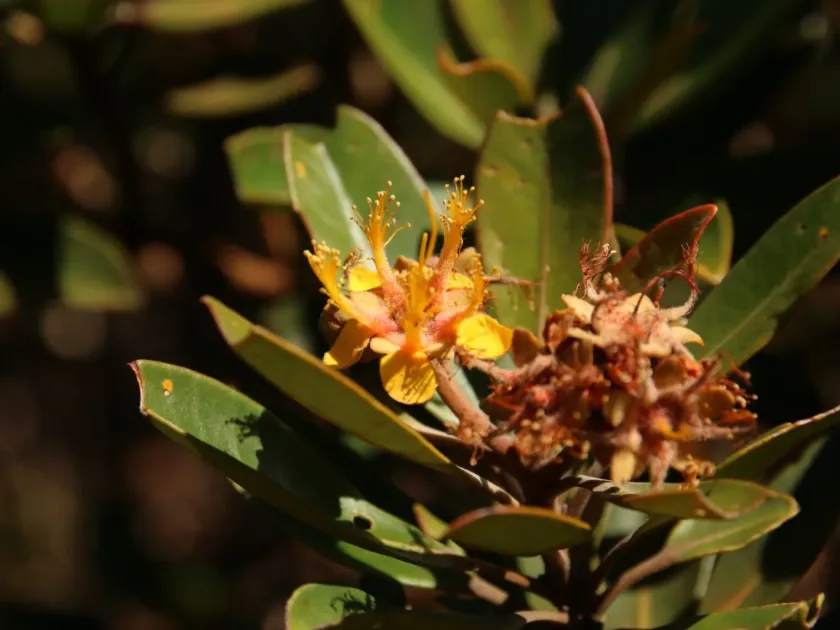
Description
Growing requirements
Tristaniopsis guillainii is an evergreen tree belonging to the Myrtaceae family. It is known for its distinctive smooth, peeling bark and robust growth habit, which is characteristic of the genus in its native environment.
Native to New Caledonia, this species is strictly adapted to ultramafic soils. The plant thrives in tropical climates where consistent warmth and high humidity facilitate steady growth throughout the calendar year.
Agricultural success depends on providing well-drained soil that mimics the mineral-rich, metallic substrate of its natural habitat. The species requires full sun exposure to maintain its structural integrity and dense foliage canopy.
Proper cultivation involves consistent watering during the establishment phase, although mature trees are relatively drought-tolerant. Care should be taken to prevent waterlogging, as the root system is highly sensitive to excessive moisture in heavy, non-porous soils.
The primary use of this crop is in ornamental landscaping and ecological restoration projects. Its aesthetic value, combined with its ability to grow on challenging substrates, makes it a valuable asset for botanical research and conservation efforts.
Main diseases and pests
The most significant threats to Tristaniopsis guillainii are fungal infections, particularly root rot, caused by poor drainage and excessive soil moisture. Preventative soil management is essential to keep the root zone healthy.
Pests such as mealybugs and scale insects often target young foliage and stems. Integrated pest management, including regular inspection and the application of targeted horticultural oils, is recommended for nursery-grown specimens.
Environmental degradation, particularly mining activities in New Caledonia, threatens the wild population of this tree. Conservation of the species requires habitat protection and controlled cultivation in botanical settings.
Improper airflow around the canopy can lead to issues with powdery mildew, especially in humid and stagnant conditions. Periodic pruning is necessary to ensure adequate ventilation and to remove potentially diseased branches.
Agronomists must monitor soil nutrient profiles closely, as the plant is adapted to specific mineral balances. Deviations from these levels can cause nutrient deficiencies, manifesting as leaf discoloration or stunted development.