
Tristaniopsis merguensis
Tristaniopsis merguensis
Description
Growing requirements
Tristaniopsis merguensis is an evergreen tree species belonging to the Myrtaceae family, known for its dense wood and resilient growth habit. It serves as a significant botanical representative of the tropical forests in Southeast Asia, notably within regions historically identified with Mergui.
The tree originates from tropical climates, specifically thriving in riverine habitats and dense lowland rainforests. Its growth cycle is deeply influenced by consistent precipitation patterns and high humidity levels throughout the year, which are vital for maintaining its canopy health.
Cultivation requirements necessitate a stable tropical environment where temperatures remain consistently warm, typically between 22 and 30 degrees Celsius. Exposure to frost or severe, dry winds can lead to rapid decline in the plant's physiological functions and overall structural stability.
Soil management for this species demands well-drained, nutrient-rich substrates, preferably with a high percentage of organic matter. Heavy clay soils are generally unsuitable unless amended to improve permeability, as the root system is susceptible to suffocation under waterlogged conditions.
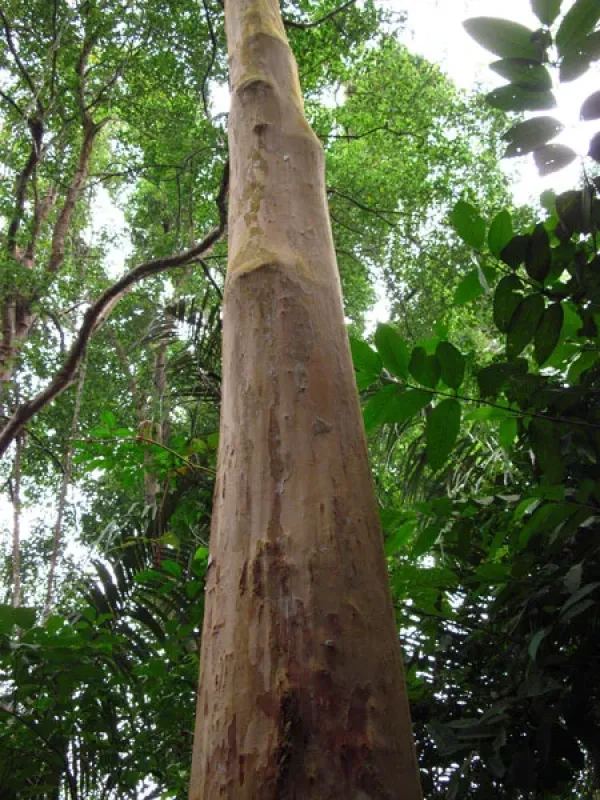
Economically, the species is valued for its hard and durable timber. In addition to commercial forestry applications, it is increasingly utilized in urban forestry and landscape architecture for its aesthetic appeal, particularly the texture of its bark and the structural density of its foliage.
Main diseases and pests
Root pathogens represent the most significant threat to the health of Tristaniopsis merguensis, often exacerbated by poor drainage and excessive irrigation. Managing moisture levels is the primary defense strategy for preventing the onset of rot-inducing fungal communities.
Stem-boring insects can cause extensive damage to the structural integrity of the tree. Effective management involves routine visual inspections and the immediate removal of infested specimens to prevent the spread of populations across a plantation or garden setting.
Fungal leaf spot diseases may appear during periods of excessive humidity or stagnation of air within the canopy. Improving airflow through selective pruning is a recommended practice to mitigate these risks and ensure the health of the foliage.
Mechanical injuries to the trunk must be avoided, as these wounds provide entry points for opportunistic pathogens. Proper maintenance techniques, including sanitized pruning tools, are essential to prevent cross-contamination during routine canopy management.
Monitoring the plant for signs of environmental stress, such as leaf wilting or color changes, allows for early intervention. Sustainable forestry practices highlight the importance of balancing nutrient input with the natural resilience of the species to minimize the need for heavy chemical intervention.