
Thryptomene calycina
Thryptomene calycina (Lindl.) Stapf
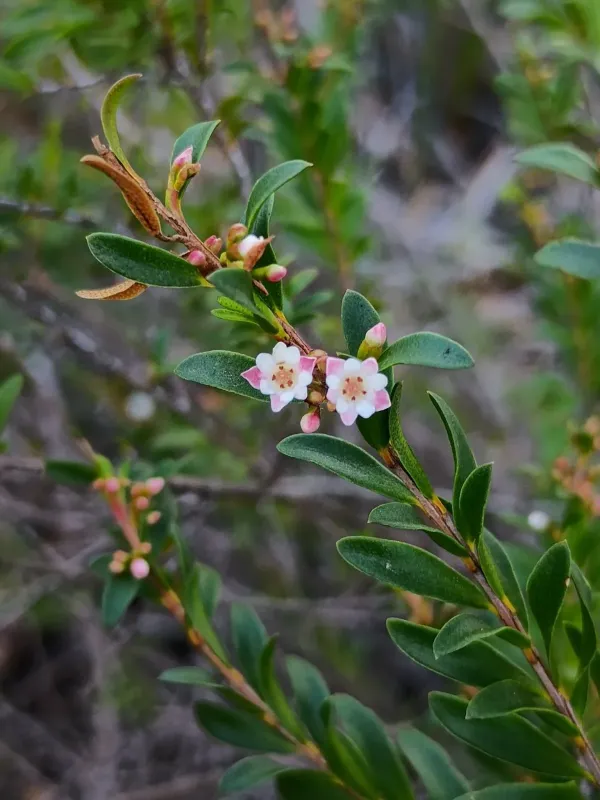
Description
Growing requirements
Thryptomene calycina is a compact evergreen shrub belonging to the Myrtaceae family, endemic to the southern regions of Australia. It is highly valued for its mass flowering and attractive foliage.
The plant requires well-drained, acidic to neutral soil conditions. It is essential to ensure that the potting media or soil does not stay waterlogged, as the roots are highly susceptible to rot.
For successful cultivation, Thryptomene requires full sun exposure and good ventilation. It thrives in temperate environments but needs protection from harsh winters if grown outdoors in colder climates.
Agronomic management involves regular pruning after the flowering season to encourage new growth and maintain a bushy habit, which is critical for the commercial quality of the plant.
Commercially, the species is widely used in the floral industry as a filler crop. Its sprays of dainty flowers are prized for their longevity in vase arrangements, making them a premium commodity.
Main diseases and pests
The primary threats to Thryptomene calycina are fungal pathogens, specifically those causing root rot, which are triggered by poor drainage or excessive humidity.
In greenhouse settings, pests such as scale insects and spider mites can infest the foliage, leading to reduced vitality and poor aesthetic quality of the marketable stems.
Good cultural practices, including maintaining proper air circulation and strictly controlled irrigation, are the best defense against these typical plant threats.
Producers often implement integrated pest management (IPM) strategies to minimize the use of harsh chemicals while ensuring a high-quality, pest-free harvest for the market.
Careful observation of the leaves and stems allows growers to detect early signs of infestation and apply targeted treatments before the entire crop is compromised.