
Triplarina
Triplarina
Triplarina is a genus of evergreen shrubs belonging to the Myrtaceae family. Native to Australia, particularly within the states of Queensland and New South Wales, these plants thrive in rugged, rocky terrains and open forests.
What the section contains


Triplarina
Botanically, these shrubs are characterized by dense branching and small, opposite, narrow leaves. Like many members of the myrtle family, the foliage is aromatic, releasing essential oils when crushed, which serves as a defensive mechanism against herbivores in their natural habitat.
In terms of cultivation, Triplarina requires well-drained, sandy, or rocky soils that mimic its natural habitat. The plants are sensitive to soil saturation; therefore, excellent drainage is critical to prevent root system suffocation and decay.
The climate requirements for Triplarina involve bright, filtered light and protection from extreme temperature fluctuations. While the plant is adapted to the Australian climate, cultivation in non-native environments requires careful monitoring of thermal limits to ensure survival.
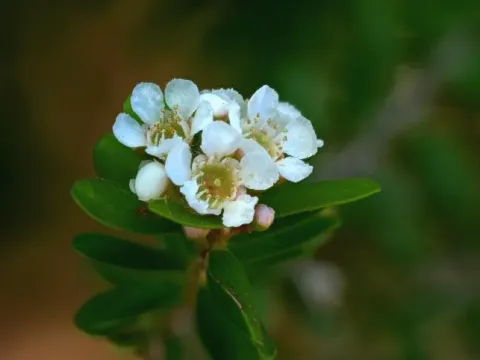
The primary horticultural use of Triplarina is in ornamental landscaping. Due to its aesthetic appeal, featuring clusters of small white or pinkish flowers, it is highly valued as a feature plant in rock gardens and native botanical displays in suitable climatic zones.
The plant is susceptible to common pests such as spider mites and scale insects. These pests often congregate on the underside of leaves or at the nodes of stems, leading to yellowing or stunted growth if left unmanaged.
Fungal pathogens, particularly those causing root rot, represent the most significant threat to the health of Triplarina. Maintaining proper soil moisture levels and ensuring optimal air circulation around the shrub are the most effective preventative measures against these pathogens.