
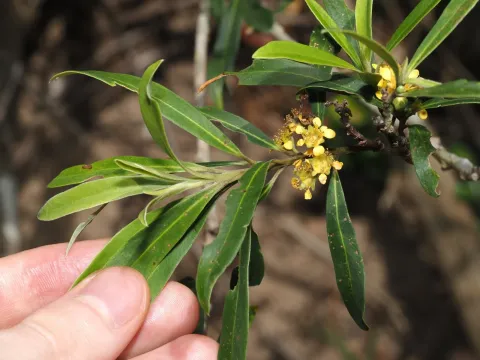
Tristaniopsis
Tristaniopsis
Tristaniopsis is a genus of evergreen trees and shrubs belonging to the Myrtaceae family. The most prominent species, Tristaniopsis laurina, is commonly known as the water gum and is highly valued for its striking, smooth, peeling bark and glossy foliage.
What the section contains

Tristaniopsis
Native to the eastern coastal regions of Australia, this plant traditionally thrives in moist environments near riverbanks. Its natural habitat suggests that it requires consistent moisture to thrive in cultivated settings, though it is surprisingly adaptable to various sites.
For successful cultivation, Tristaniopsis requires fertile, well-draining soil. While it can tolerate a range of soil types, it performs best in neutral to slightly acidic soils. Good soil structure is essential to prevent waterlogging, which can be detrimental to the roots.
The plant prefers a sunny to partially shaded position with protection from harsh, dry winds. It is considered moderately frost-hardy, but it thrives primarily in temperate and subtropical climates where it can avoid extreme winter temperatures that could damage its canopy.
Agronomic maintenance includes regular watering during the establishment phase and long dry spells. Minimal fertilization is usually sufficient, though a balanced NPK fertilizer applied in spring can encourage vigorous growth and lush, vibrant leaves throughout the season.
Tristaniopsis is generally resistant to most common pests and diseases. However, in poorly ventilated or excessively humid conditions, fungal leaf spots or powdery mildew may occur. Improving air circulation by pruning the canopy is an effective management strategy.
Scale insects can occasionally infest the stems and leaves, extracting plant sap. If an infestation occurs, horticultural oil sprays or systemic insecticides are recommended to control the population and prevent significant vigor loss in the tree.
Root rot is the most serious threat, usually caused by poor drainage or overwatering. Maintaining a well-draining root zone is critical, as this species lacks tolerance for stagnant water, which compromises the root system's health.
Mechanical damage to the bark should be avoided, as it can allow opportunistic pathogens to enter the vascular system. Clean, sharp tools should be used for any necessary pruning to ensure quick healing of cuts and reduce the risk of secondary infections.
Monitoring the plant for signs of nutrient deficiency, such as yellowing leaves, is recommended. Adjusting soil pH or supplying micro-nutrients can resolve these issues before they lead to long-term decline or increased vulnerability to environmental stressors.