
Satinay
Syncarpia hillii
Description
Growing requirements
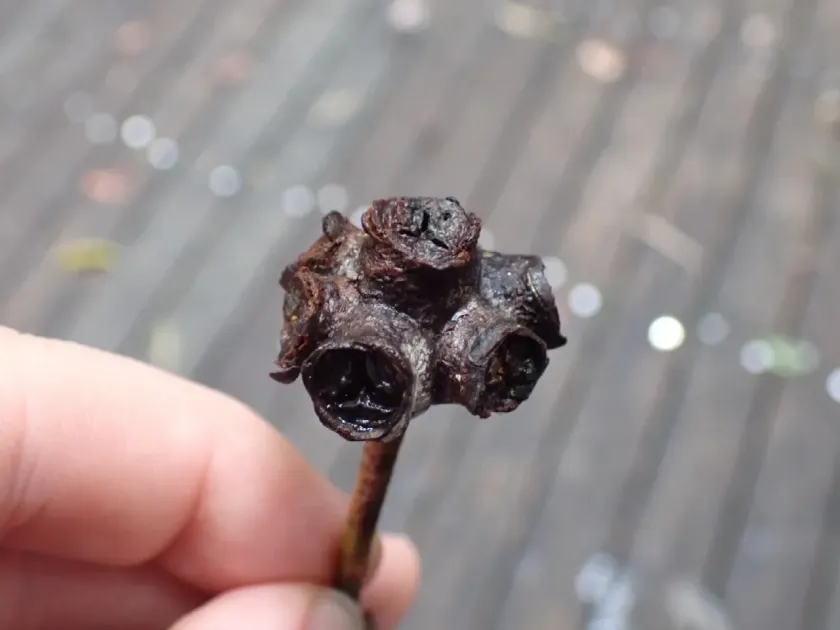
Satinay (Syncarpia hillii) is a remarkable species belonging to the Myrtaceae family, widely recognized for its impressive height and the high durability of its wood. As a tall, evergreen tree, it stands as a significant asset for sustainable forestry in subtropical environments.
Originating from the coastal regions of Queensland, Australia, this culture thrives in humid environments. The natural range of the species indicates a strong preference for areas where rainfall is abundant and temperatures remain consistently favorable for year-round growth.
Regarding soil requirements, the species performs best in deep, fertile, and well-drained soils. It exhibits a low tolerance for waterlogged conditions, making proper site selection and soil preparation essential for the success of any plantation.
Agrotechnical management involves strict density control during the initial years of growth to ensure the development of a clean, straight trunk. Pruning practices are essential to manage the growth habit and enhance the structural quality of the future timber.
The economic value of Satinay lies in its extremely dense and decay-resistant wood. It is primarily utilized in heavy construction, boat building, and flooring, where resilience against environmental factors is highly demanded by the industry.
Main diseases and pests
Plantations are occasionally susceptible to fungal leaf spots, particularly in sites with poor airflow. Maintaining optimal spacing between trees is the primary cultural practice to mitigate the spread of such pathogens.
Pests, including wood-boring insects, can pose a risk to the health of the trees if the stands are not monitored. Early detection and removal of highly infested individuals prevent the expansion of pest populations.
Invasive weeds represent a significant threat to young saplings, as they compete for limited light, nutrients, and soil moisture. Regular weeding cycles are critical to maintain the growth rate during the first five years of the plantation cycle.
Environmental stress, such as uncharacteristic seasonal droughts, may weaken the tree's defense systems. Supplemental irrigation is advised for young trees to prevent physiological stress and promote robust root establishment.
The integrity of the tree can be compromised by physical damage to the bark, which exposes the inner wood to opportunistic fungi. Careful maneuvering of equipment during forestry maintenance is a standard safety requirement.