
Turpentine tree
Syncarpia glomulifera
Description
Growing requirements
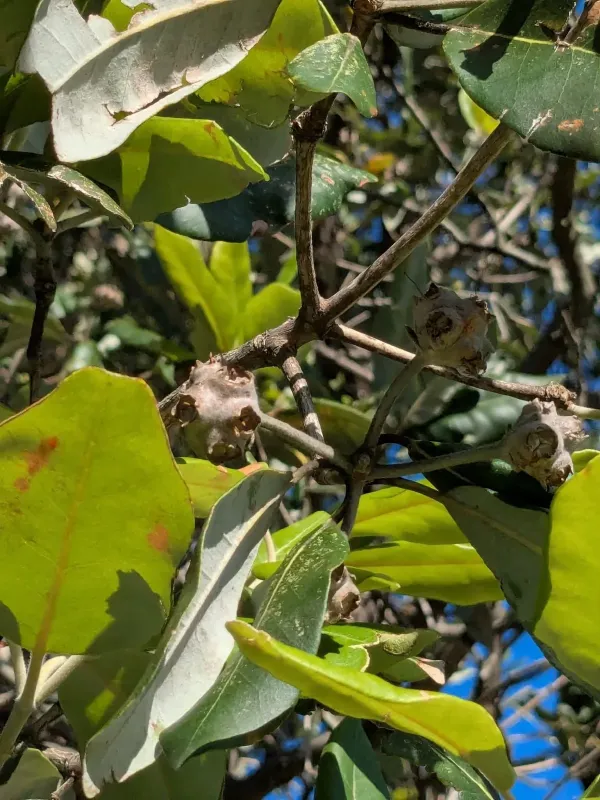
The Turpentine tree (Syncarpia glomulifera) is a prominent member of the Myrtaceae family. It is a large evergreen tree recognized for its dense, dark green foliage and its ability to thrive in diverse ecological niches across its native range.
Originating from the coastal regions of eastern Australia, this species is well-adapted to high-rainfall environments. Its natural habitat includes wet sclerophyll forests where it often grows in mixed stands with other native Australian hardwoods.
Regarding soil requirements, the species performs best on deep, fertile, and well-drained soils. While it exhibits tolerance to a range of pH levels, it requires adequate soil moisture levels and consistently high humidity to reach its maximum growth potential in a plantation setting.
Agricultural management requires careful attention to site selection, prioritizing areas that mimic the tree's natural riparian-adjacent environments. Proper spacing is essential to ensure that individual trees develop strong stems and uniform crowns, which are critical for future timber quality.
The economic value of this tree lies in its exceptionally durable timber. It is highly resistant to marine borers and rot, which has made it a traditional material for railway sleepers, bridge piles, and heavy-duty structural applications where longevity is the primary requirement.
Main diseases and pests
Root rot caused by Phytophthora species is a significant concern in nurseries and young plantations. Implementing strict biosecurity measures and ensuring excellent soil drainage are the most effective strategies for preventing widespread loss in young stands.
Wood-boring insects present a threat to the trunk integrity, potentially downgrading the quality of the harvested wood. Integrated pest management, including regular field monitoring and the removal of heavily infested individuals, is recommended to keep pest populations at manageable levels.
Mistletoe infestation remains a common problem that affects the long-term health of mature trees. Regular canopy inspections are standard practice in forest management to identify and remove parasitic growths before they cause significant decline in tree vigor.
Fire resilience is a trait of the species, but severe crown fires can still be lethal for saplings. Maintaining clear firebreaks and managing the understory density are essential components of maintaining a healthy and productive timber forest.
Finally, environmental stressors like prolonged drought can predispose trees to secondary pathogens. Sustainable forest management practices that maintain adequate nutrient cycling and soil structure are vital for the overall health and pest resistance of the culture.