
Siphoneugena densiflora
Siphoneugena densiflora
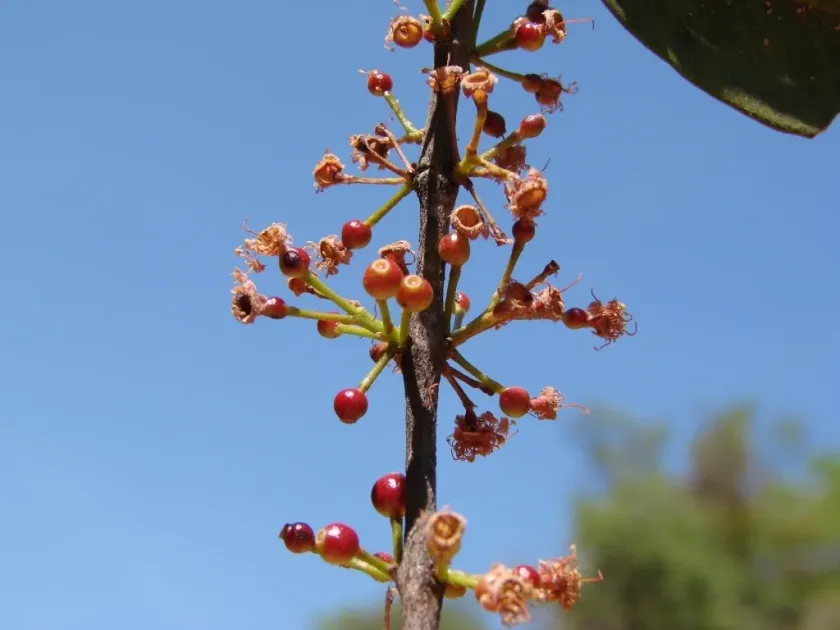
Description
Growing requirements
Siphoneugena densiflora is a distinct species belonging to the Myrtaceae family. Native to tropical regions, this tree exhibits specific physiological adaptations that require careful management when introduced into managed agricultural environments.
The soil profile for optimal growth must be well-drained and nutrient-rich. Siphoneugena densiflora thrives in environments where organic matter content is high, yet it demands a soil texture that prevents water logging, which is essential for root health and overall longevity.
Climatic requirements are strictly tropical, necessitating high annual temperatures and a consistent humidity level. The species is highly sensitive to frost; therefore, commercial cultivation is restricted to frost-free regions or controlled greenhouse environments where microclimate parameters can be strictly regulated.
Agronomic practices for this tree involve careful pruning to maintain an open canopy structure, which facilitates light penetration and airflow. Adequate nutrition, specifically the availability of potassium and nitrogen during the growth stages, is vital for high-quality fruit production.
In terms of agricultural utility, the plant is recognized for its edible fruit and potential use in agroforestry systems. Its dense wood and evergreen foliage make it an interesting candidate for biodiversity-friendly plantation models in tropical climates where soil conservation is a priority.
Main diseases and pests
Fungal pathogens represent the primary threat to the stability of Siphoneugena densiflora populations. Root rots, commonly caused by species such as Phytophthora, occur frequently when the irrigation schedule fails to account for soil drainage capacity, leading to water accumulation.
Insect pests, including various scale insects and mealybugs, are notorious for colonizing the leaves and tender stems. By feeding on the plant's phloem, these pests reduce photosynthetic efficiency and make the tree more susceptible to secondary infections by opportunist fungi.
Leaf-eating caterpillars can cause significant defoliation during the peak growing season, directly impacting the tree's energy reserves. Effective control often involves the use of biological insecticides that target specific life stages of the pests without harming the surrounding ecosystem.
Nematodes, which are microscopic roundworms residing in the soil, can severely damage the root systems of juvenile plants. Soil solarization or the use of nematode-resistant rootstocks is often considered the most sustainable way to mitigate this hidden agricultural threat.
To minimize disease pressure, farmers should implement a strict sanitary protocol that includes the removal and burning of infected branches. Maintaining proper plant density is another key cultural practice that ensures adequate ventilation and prevents the buildup of excessive environmental humidity.