
Myrrhinium atropurpureum
Myrrhinium atropurpureum
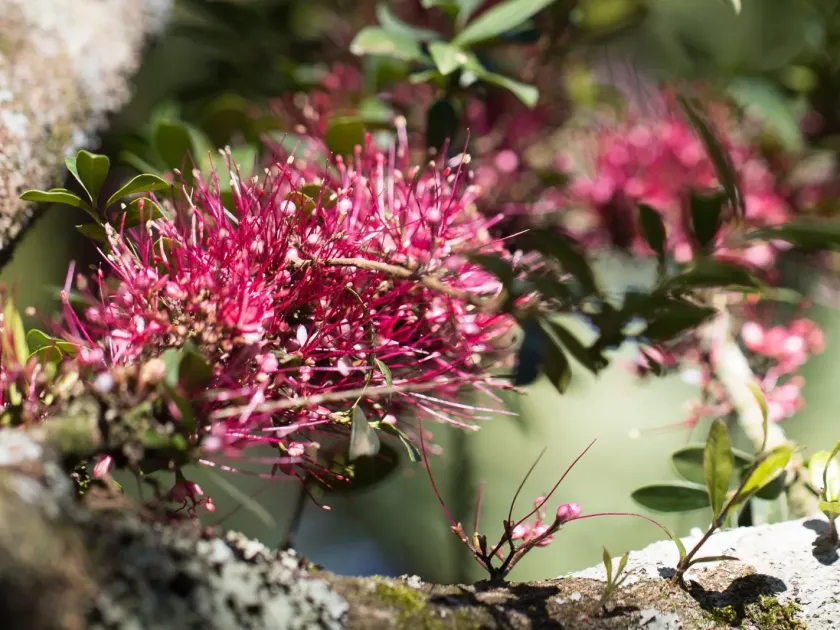
Description
Sowing dates
Myrrhinium atropurpureum is a unique member of the Myrtaceae family, commonly found in the tropical and subtropical regions of South America.
Propagation is primarily achieved through seeds, which should be sown fresh to ensure the highest germination rates possible for this species.
The seeds require a well-draining, high-quality soil mixture and a warm environment with temperatures consistently between 22 and 26 degrees Celsius.
Care must be taken to keep the germination medium moist but not waterlogged, as the seeds are sensitive to rotting under excess moisture conditions.
Once seedlings have reached a manageable size, they should be transplanted carefully into individual pots, ensuring the delicate root system remains undisturbed.
Growing requirements
This culture thrives in tropical environments and is highly intolerant to freezing temperatures, making it unsuitable for open cultivation in temperate zones.
It prefers acidic to neutral, fertile, and well-draining soil types, reflecting its natural habitat in South American woodland areas.
Abundant sunlight is essential for the healthy growth of the tree and the proper development of its flavorful, dark purple fruits.
High humidity levels and regular watering are necessary to support the plant's metabolism, especially during the active growing and flowering seasons.
When grown in containers, the plant requires consistent fertilization with balanced micronutrients to sustain its vigor and prevent foliage yellowing.
Yield
The fruit of the Myrrhinium atropurpureum is highly valued for its sweet, distinct flavor, making it a popular choice for local consumption and artisanal products.
The productivity of the plant can be optimized by providing it with sufficient space for root development and adequate access to direct sunlight.
Proper pollination is critical for a good yield, and the presence of native pollinators or manual pollination techniques can significantly increase fruit set.
As an ornamental-fruiting tree, it offers the dual advantage of beautiful, nectar-rich flowers and edible harvests, adding value to any subtropical garden.
Yields are typically highest in mature, healthy specimens that have been subjected to a consistent and careful pruning regimen to maintain canopy structure.
Main diseases and pests
Common pests affecting this species include scale insects and mealybugs, which tend to congregate on the undersides of leaves and along stems.
Root rot is a major threat caused by poor soil drainage and over-irrigation, which can rapidly weaken the tree if not managed immediately.
Integrated pest management, including the use of horticultural oils and biological controls, is recommended to manage infestations without harming the fruit.
Fungal infections of the foliage can occur in areas with poor air circulation, requiring thinning of the canopy to promote better airflow.
Regular monitoring of the plant's health is essential to identify symptoms of stress or infestation before they impact the overall crop production.
Harvesting
The harvest period occurs when the fruits turn a deep, dark purple color, indicating that they have reached their peak sugar content and maturity.
Fruits are extremely delicate and have a short shelf life, which necessitates gentle harvesting practices and immediate post-harvest handling.
The most suitable time for picking is during the early morning hours, which helps to keep the fruit cool and maintains its structural integrity.
Due to the perishable nature of the produce, fruits are best enjoyed fresh or processed into jams and jellies soon after they are removed from the tree.
For those looking to extend the shelf life, refrigeration is necessary, though it is recommended to consume the fruits within a few days of harvesting.