
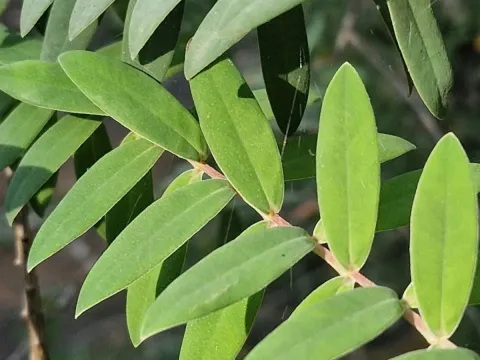
Hillock bush
Melaleuca hypericifolia
Melaleuca hypericifolia is typically propagated through seeds or semi-hardwood cuttings, which are effective for maintaining the desired growth traits.
What the section contains
Hillock bush
Seeds should be sown in a well-draining soil mix during early spring, kept warm, and maintained under light conditions to facilitate successful germination.
Once seedlings have developed several true leaves, they should be carefully transplanted into individual pots to avoid competition for root space.
Cuttings are usually taken during the growing season and treated with a rooting hormone to speed up the establishment of a healthy root system.
Consistent humidity levels during the initial stages of growth are crucial, so covering the containers with plastic can help stabilize the environment.
Belonging to the Myrtaceae family, this plant is native to the coastal regions of New South Wales, Australia, and loves full sun exposure.
The plant thrives in acidic to neutral, well-draining soils and cannot tolerate areas with high salinity or constant waterlogging in the root zone.
Temperature management is key as Melaleuca hypericifolia is sensitive to frost; it should be protected or moved indoors in regions with cold winters.
Regular watering is essential during the warmer months, ensuring that the soil remains moist but not saturated to prevent root health issues.
Minimal pruning is often required, but regular trimming can encourage denser growth and more prolific flowering, which is a key feature of this species.
The primary yield of this plant includes its aromatic leaves, which are harvested for essential oil extraction, and its decorative biomass for landscaping.
Sustainable harvesting of leaves requires careful pruning to allow the shrub to recover and maintain its overall structure for future production cycles.
When grown for ornamental purposes, the yield is measured by the quality and density of the stunning red brush-like flowers produced annually.
Optimized growing conditions, including periodic organic fertilization, significantly improve the volume of foliage produced by the shrub.
Small-scale agricultural operations focus on maximizing plant health to ensure consistent output of high-quality botanical materials throughout the season.
Spider mites are common pests that target the foliage of Melaleuca hypericifolia, especially in dry and poorly ventilated indoor or greenhouse environments.
Root rot, often caused by Pythium or Phytophthora species, is a major threat resulting from excessive irrigation and poor soil drainage conditions.
Scale insects can occasionally infest stems, necessitating physical removal or the application of horticultural oils to keep the population under control.
Fungal leaf spots may occur if the foliage remains wet for extended periods, making adequate air circulation a critical preventive measure for gardeners.
Integrated pest management, including regular inspection and maintaining good environmental hygiene, is the best strategy to prevent these common threats.