
Heteropyxis natalensis
Heteropyxis natalensis
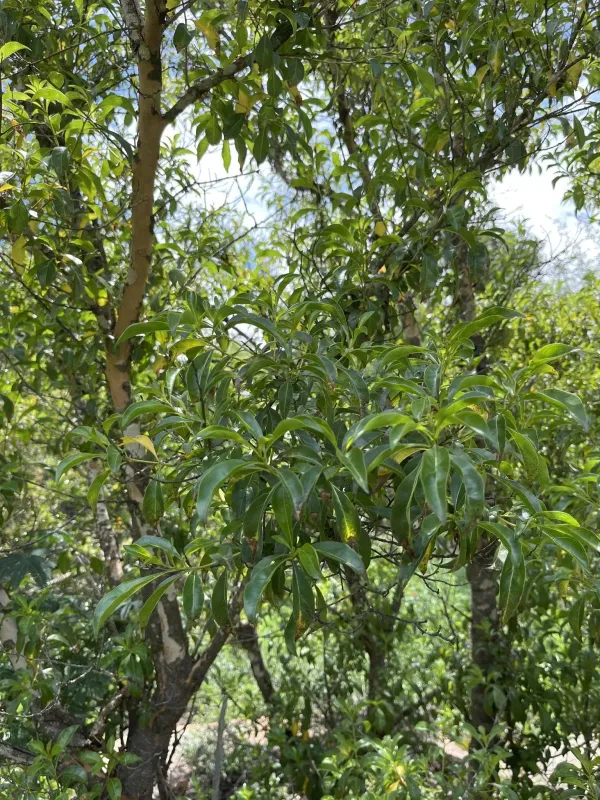
Description
Growing requirements
Heteropyxis natalensis, commonly known as the lavender tree, is a member of the Myrtaceae family. It is a deciduous, small-to-medium-sized tree characterized by its smooth, peeling bark and aromatic, lance-shaped leaves that release a pleasant, lavender-like scent when crushed.
Native to Southern Africa, including regions like KwaZulu-Natal and Eswatini, the tree typically thrives in rocky outcrops, open woodlands, and savanna environments. Its natural habitat is marked by seasonal rainfall and well-drained soils, which are critical factors to consider when establishing a cultivation plot.
The tree prefers full sun exposure to maintain its characteristic compact shape and healthy foliage. While it demonstrates significant drought tolerance once established, young saplings require consistent moisture during their initial growth stages to ensure proper establishment of the root system.
From an agronomical perspective, Heteropyxis natalensis is highly valued for its adaptability to poor, rocky, and nutrient-deficient soils. This makes it an ideal candidate for reforestation projects or sustainable agroforestry systems where soil enrichment is difficult or costly to implement.
Propagation is primarily achieved through seeds sown in a light, well-draining potting medium. Germination typically occurs in late spring when temperatures are consistent; maintaining high humidity levels during the seedling stage is essential for reducing plant mortality rates in nursery conditions.
Harvesting
The economic utilization of this crop is centered on the production of essential oils derived from its foliage, which are utilized in the cosmetic and pharmaceutical sectors. Harvesting involves the strategic pruning of branch tips, which stimulates new vegetative growth and ensures sustainable yields of aromatic oils over several harvest cycles.