
Allosyncarpia
Allosyncarpia ternata
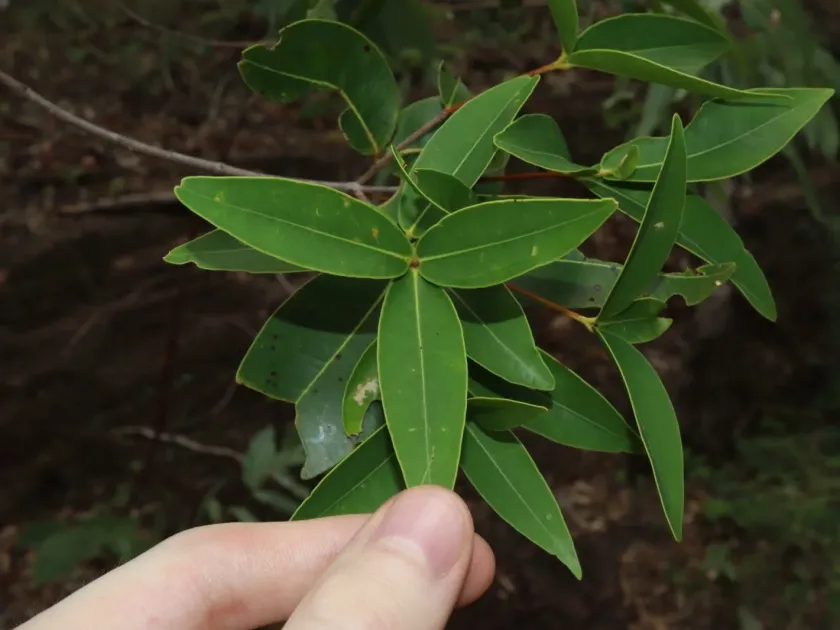
Description
Growing requirements
Allosyncarpia (Allosyncarpia ternata) is a distinct, evergreen tree species belonging to the Myrtaceae family. It is a monotypic genus, making it a unique botanical specimen found primarily in the Northern Territory of Australia, specifically within the Arnhem Land region.
The tree is well-adapted to rugged landscapes, typically flourishing on sandstone plateaus and rocky escarpments. Its ability to grow in such nutrient-poor, rocky environments highlights its evolutionary success in surviving in extreme, seasonally dry tropical climates.
Regarding soil requirements, Allosyncarpia thrives in well-drained, sandy, or rocky substrates. It does not tolerate waterlogging, as its roots require substantial oxygenation, reflecting its natural habitat where rainfall drains rapidly through rocky fissures.
Agrotechnical management should focus on maintaining a environment that mimics its natural climatic conditions: high temperatures and distinct dry periods. In cultivation, protecting the root system from excessive moisture during the rainy season is essential to prevent physiological stress.
Economically, the tree has been historically utilized by Indigenous Australians for its dense, termite-resistant timber. Today, it serves as a valuable subject for ecological studies, botanical conservation, and niche landscaping where specific environmental conditions can be replicated.
Main diseases and pests
The primary threat to Allosyncarpia populations is the prevalence of intense wildfires. Although the species possesses some resilience to fire, frequent high-intensity events can prevent the survival of saplings and disrupt the natural regeneration of forest stands.
While generally robust, the trees can be susceptible to fungal pathogens if grown in environments with poor air circulation or excessive ambient humidity. Such conditions encourage the growth of molds that affect leaf health and overall vigor.
Pests typical of the Myrtaceae family, including various wood-boring insects and leaf-miners, can impact tree health. Monitoring for signs of infestation is a standard preventive practice for those cultivating this tree in non-native or controlled environments.
Competition from invasive plant species can hinder the establishment of young Allosyncarpia trees. Clearing competing vegetation in the immediate vicinity of the root zone is crucial for the early stages of growth and long-term development.
Climate change poses a long-term risk to its natural range, as alterations in rainfall patterns may affect its reproductive cycles. Conservation strategies are therefore focused on protecting existing ecosystems and monitoring seedling mortality rates.