
Aggreflorum longifolium
Aggreflorum longifolium
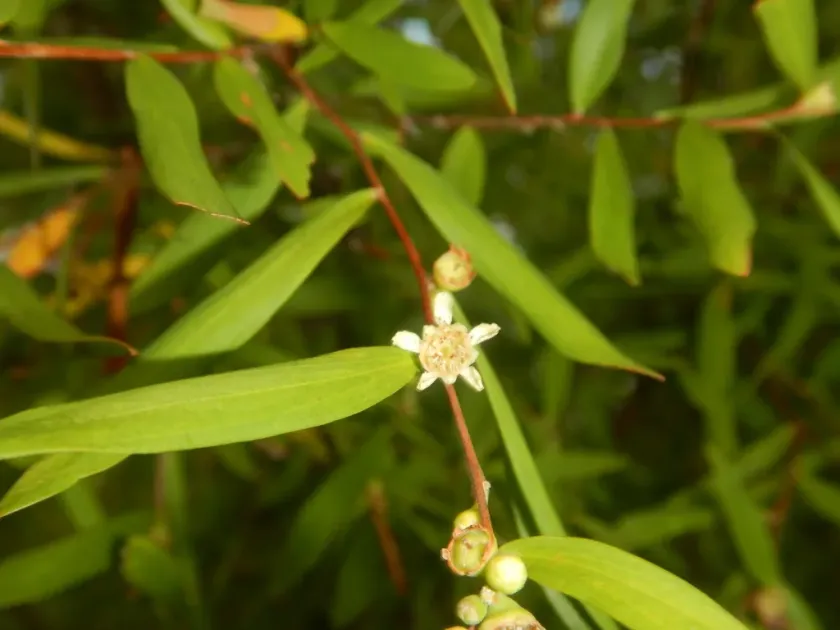
Description
Sowing dates
The sowing of Aggreflorum longifolium requires precise timing to coincide with soil warming, typically reaching at least 12–15 degrees Celsius. Ensuring the correct soil temperature is vital for uniform germination and early establishment of the crop.
Seeds should be planted at a shallow depth of approximately 2 to 3 centimeters to ensure they have enough energy to emerge through the soil surface. Proper seedbed preparation is essential for maintaining consistent moisture levels during the germination phase.
In regions with mild climates, autumn sowing is an option, as it allows for vernalization and earlier spring growth. However, spring sowing remains the standard practice to avoid late frosts that could damage young seedlings.
Farmers should maintain optimal spacing between rows to allow for adequate ventilation and light penetration. Overcrowding can lead to increased disease pressure and stunted growth, negatively impacting the overall yield.
After sowing, light irrigation is recommended to settle the soil around the seeds without causing surface crusting, which can inhibit the growth of delicate seedlings.
Growing requirements
Belonging to the Myrtaceae family, Aggreflorum longifolium thrives in well-drained soils with a slightly acidic to neutral pH level. It is highly sensitive to waterlogging, making soil texture and drainage crucial factors for successful cultivation.
Sunlight exposure is a primary requirement for this crop, as it performs best in open locations with full exposure to daylight. Reduced light levels often result in thinner stems and increased susceptibility to physiological disorders.
Climate-wise, the plant prefers moderate temperature ranges between 18 and 25 degrees Celsius. Extreme heat or sudden cold snaps can impede metabolic processes, requiring additional care or protective measures.
Fertilization should focus on potassium and phosphorus inputs to support healthy development. Nitrogen should be managed carefully to avoid excessive vegetative growth, which can make the plant more attractive to pests.
Regular monitoring of soil moisture is necessary to maintain an environment that supports plant health without creating favorable conditions for soil-borne pathogens.
Main diseases and pests
Fungal infections are the most significant threat to Aggreflorum longifolium, especially in humid and poorly ventilated conditions. Powdery mildew and root rot represent the primary diseases that need proactive management strategies.
Insect pests such as spider mites and various leaf-chewing beetles can cause rapid defoliation if left unchecked. Integrated pest management (IPM) practices are recommended to mitigate these risks effectively.
Nematodes pose a long-term threat to productivity, particularly in continuous cropping systems. Implementing a diverse crop rotation is a highly effective cultural practice for reducing nematode populations in the soil.
Viral diseases often manifested through leaf curling or discoloration are typically transmitted by insect vectors. Strict weed control around the field can help reduce the population of these carriers.
Hygiene in the field is essential; removing diseased plant material and cleaning equipment between fields can significantly lower the spread of pathogens throughout the growing season.