
Aggreflorum luehmannii
Aggreflorum luehmannii
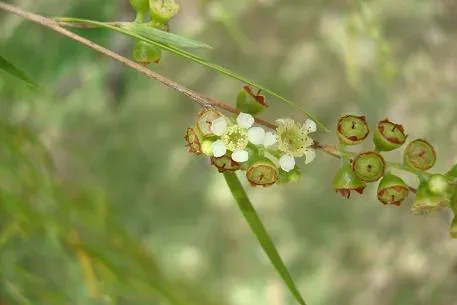
Description
Growing requirements
Aggreflorum luehmannii is a distinct woody species belonging to the Myrtaceae family. Formerly classified under the genus Leptospermum, it shares the characteristic botanical traits of Australian Myrtaceae, including small, aromatic leaves and specialized floral structures.
The species originates from eastern Australia. Its native habitat is typically defined by well-drained, sandy or gravelly soils found in open sclerophyll forests or coastal heaths, where the root system can access both nutrients and sufficient air circulation.
Cultivation requirements prioritize full sun exposure. Aggreflorum luehmannii performs best when placed in an open, sunny environment that promotes dense branching and healthy foliage development. Shaded locations often result in poor structural integrity and reduced flowering potential.
Soil management is critical for this species. It demands a substrate with excellent drainage; heavy clay soils that retain moisture are generally unsuitable and can lead to rapid root degradation. Incorporating inorganic soil amendments is highly recommended for container-grown specimens.
Climate adaptability is limited to mild environments. While the plant can tolerate brief periods of cool weather, it is not hardy in regions prone to severe ground frosts. In cooler zones, it is typically managed as a container plant and moved to a greenhouse during winter months.
Main diseases and pests
The primary threats to Aggreflorum luehmannii involve root pathogens. Specifically, Phytophthora species can devastate plantings that suffer from waterlogging. Maintaining a strict irrigation schedule is essential to prevent these fungal infections from establishing.
Insect pests such as aphids and scale insects are common. These pests thrive in dry, stagnant air conditions and can cause significant damage to new leaf growth. Integrated pest management, including the use of neem oil or systemic insecticides, is advised for effective control.