
Aggreflorum brachyandrum
Aggreflorum brachyandrum
Description
Growing requirements
Aggreflorum brachyandrum is a woody plant species belonging to the Myrtaceae family. Native to the arid and semi-arid regions of eastern Australia, this plant has evolved distinct physiological adaptations that allow it to thrive in nutrient-poor soils and limited water supply conditions.
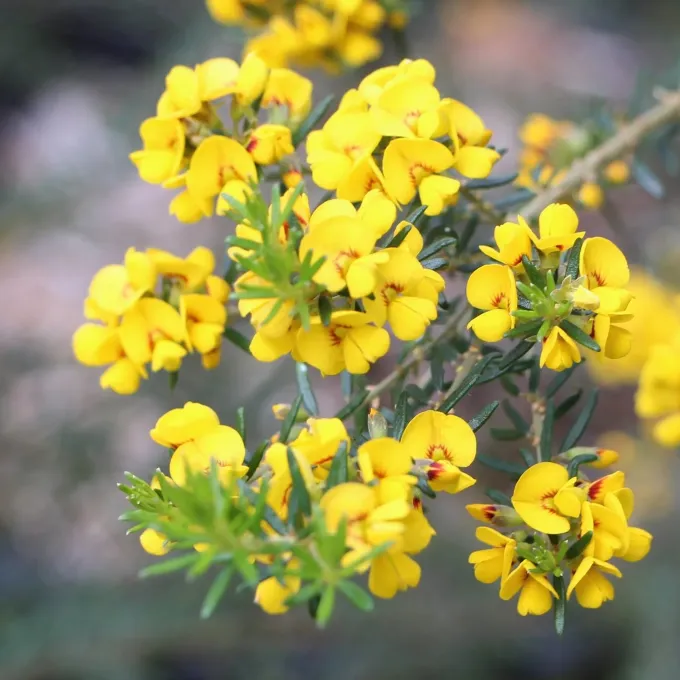
The species is botanically characterized by its narrow, aromatic leaves and small, cluster-forming flowers. Like many members of the Myrtaceae family, it contains specialized secretory structures that accumulate essential oils, which are of significant interest for botanical and commercial research.
For successful cultivation, Aggreflorum brachyandrum requires well-draining soil, preferably sandy or stony, which mimics its natural habitat. It performs best in environments with high solar radiation and low relative humidity, which helps prevent foliage diseases common in more humid climates.
Agrotechnical management focuses primarily on ensuring correct soil drainage and avoiding excess water, which the plant is highly sensitive to. Providing a stable, frost-free environment is crucial, as the species does not possess strong mechanisms to survive freezing temperatures.
The primary economic use of this species is in the extraction of aromatic oils. Beyond its industrial potential, the plant is increasingly valued for xeriscaping and ornamental horticulture due to its unique texture and resistance to periodic drought conditions.
Main diseases and pests
The most significant threat to the health of these plants is the development of root and collar rot caused by fungal pathogens, usually triggered by waterlogged soil conditions. Proper irrigation management is the most effective preventative measure for this crop.
Insect pests, such as scale insects and spider mites, can cause damage to the foliage and affect plant vitality. Regular monitoring and maintaining proper spacing between plants are recommended to minimize the risk of pest infestation and ensure proper airflow.