
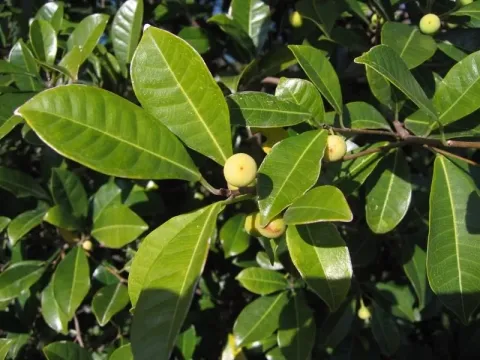
Ficus vasculosa
Ficus vasculosa
Ficus vasculosa, commonly known as the vascular fig, belongs to the diverse Moraceae family. This evergreen tree species is characterized by its glossy, elliptical leaves and robust growth habit, which allows it to thrive in dense tropical canopy environments.
What the section contains
Ficus vasculosa
The species originates from the tropical regions of Southeast Asia, with a native range extending across parts of China, Vietnam, and surrounding archipelagos. It is highly adapted to warm, stable climates where seasonal variation is minimal.
Agricultural and horticultural requirements for Ficus vasculosa focus on well-draining, nutrient-rich soils. The species is highly susceptible to root damage from waterlogged conditions, making proper soil drainage a non-negotiable factor for health.
Temperature regulation is critical for this species, as it requires environments consistently between 20 and 30 degrees Celsius. It does not possess significant frost tolerance, limiting its cultivation to tropical and subtropical zones or protected glasshouses.
Maintenance in cultivation involves a steady irrigation schedule and ambient humidity management. Providing balanced mineral fertilizers during the peak growing season significantly enhances leaf development and overall tree vigor.
The primary economic and environmental use of Ficus vasculosa is in reforestation efforts and large-scale landscaping. Its ability to provide shade and habitat makes it a valuable component in agroforestry systems within its native range.
Seed harvesting occurs post-maturation of the syconia, the unique infructescences characteristic of the Ficus genus. Processing these seeds for nurseries requires careful cleaning to prevent fungal outbreaks during the germination phase.
In decorative settings, maintenance harvesting involves pruning to manage canopy structure. Regular trimming is essential to prevent the tree from exceeding the space limitations in park environments or indoor conservatory settings.
While the timber of some Ficus species has traditional uses, Ficus vasculosa is primarily managed for its ecological services. Sustainable harvesting practices are prioritized to maintain the stability of local tropical ecosystems.
Landscape professionals emphasize the importance of spacing when planting this species. Due to its vigorous root system, it must be positioned away from structural foundations to prevent long-term damage to nearby masonry.
Pest management for Ficus vasculosa typically involves controlling scale insects and spider mites. These pests thrive in dry conditions and can cause severe leaf drop if not addressed with appropriate horticultural oils or insecticides.
Root rot is the most significant disease threat, often triggered by over-irrigation or compacted soil. Once rot sets in, reversing the damage is difficult, making preventative drainage management the most effective control strategy.
Fungal leaf spot is another common issue, especially during high-humidity seasons with low airflow. Ensuring the canopy is airy and preventing water stagnation on leaf surfaces are essential steps in managing fungal development.
Mealybugs are known to colonize the leaf axils, draining vital nutrients from the plant. Manual removal combined with biological control agents is often preferred in managed greenhouse environments to minimize chemical usage.
Boosting plant immunity through appropriate micronutrient supplementation helps the tree withstand pathogen attacks. A healthy, well-fed Ficus vasculosa shows much higher resilience against environmental stressors and common tropical pests.