
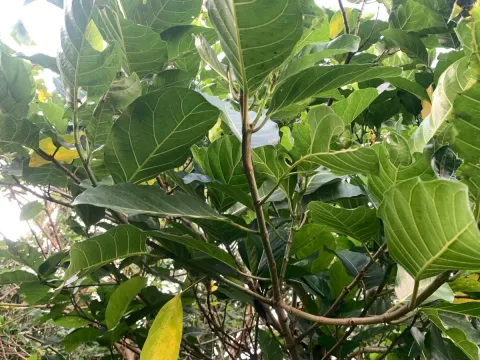
Ficus septica
Ficus septica
Ficus septica is a significant plant species belonging to the Moraceae family, native to tropical regions of Southeast Asia. This evergreen tree or shrub is well-known for its ecological role and its specific adaptation to humid environments.
What the section contains
Ficus septica
The plant thrives in well-draining, nutrient-rich soils that are capable of retaining moisture without waterlogging. Proper soil preparation involves incorporating organic matter to improve aeration and support the complex root system typical for the genus.
Climate requirements include consistent tropical temperatures, ideally ranging between 22 and 32 degrees Celsius, and high relative humidity. It is intolerant to frost and requires sheltered locations if grown in areas with seasonal temperature fluctuations.
Propagation is primarily conducted through vegetative cuttings to ensure the uniform genetic quality of the plants. The maintenance of high humidity levels during the rooting process is essential for successful nursery production of new seedlings.
Economically, Ficus septica is highly valued in pharmaceutical research. The leaves and roots are harvested as a source of specific phenanthroindolizidine alkaloids, which are studied for their potent antibacterial, antioxidant, and anti-inflammatory properties.
Spider mites are the most prevalent pests affecting Ficus septica, particularly in drier conditions. They damage the foliage by piercing the leaf cells, which eventually leads to chlorosis and potential defoliation if left untreated.
Fungal infections, including leaf spot diseases, can become problematic during periods of excessive rainfall or poor air circulation. Implementing proper spacing and pruning techniques significantly mitigates the risk of rapid disease spread.
Root rot, often caused by pathogens such as Phytophthora, is a severe threat in poorly drained soils. Farmers must ensure that planting beds are elevated or possess sufficient drainage capacity to maintain plant vigor and root health.
Scale insects frequently infest the stems and undersides of leaves, weakening the plant by extracting essential sap. Integrated pest management strategies, utilizing both biological controls and targeted pesticides, are recommended to maintain production yields.
Regular surveillance of the plantations is necessary to detect early symptoms of pest colonization or nutritional deficiencies. Maintaining a balanced fertilization schedule helps the plant withstand stress and enhances its natural defense mechanisms.