
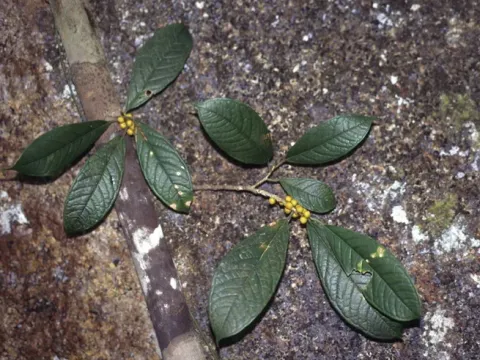
Ficus retusa
Ficus retusa
Ficus retusa, a member of the Moraceae family, is a broad-leaved evergreen tree or shrub known for its dense canopy and significant ornamental value. In its native tropical habitats across Southeast Asia, it functions as a robust perennial that thrives in warm climates.
What the section contains
Ficus retusa
The plant requires bright, indirect sunlight to maintain its foliage density. While it can adapt to lower light conditions, consistent exposure to diffused light is vital for avoiding leggy growth and ensuring the health of the plant's structural branches.
Growing conditions demand a well-draining soil mix that prevents water accumulation near the root system. A blend of high-quality peat, sand, and perlite is often recommended to create the structure necessary for robust root development and long-term vitality.
Temperature management is crucial, as the plant prefers stable environments between 18°C and 25°C. Ficus retusa is particularly sensitive to cold drafts and rapid temperature fluctuations, which can trigger leaf drop and weaken the plant’s defense mechanisms.
Irrigation should follow a cycle of allowing the soil surface to dry slightly between waterings. Maintaining consistent humidity levels through occasional misting or the use of humidity trays mimics the plant’s natural tropical environment and prevents dehydration.
Common pests include spider mites and scale insects, which often thrive in indoor conditions with low humidity. Regular inspection of the undersides of the leaves and prompt treatment with horticultural soap or neem oil are essential for effective pest management.
Fungal diseases, such as root rot or leaf spot, are typical outcomes of overwatering or poor ventilation. Maintaining good air circulation and strictly avoiding waterlogged soil are the most effective preventative strategies against these common threats.
Ficus retusa is widely utilized in professional landscape design and interior decorating for its aesthetic flexibility. Its ability to tolerate frequent pruning makes it an ideal candidate for large architectural installations and green office designs.
The species is highly regarded in the art of bonsai due to its naturally thick trunk and potential for developing aerial roots. This allows practitioners to achieve complex, aged looks in a relatively short period compared to other tree species.
Regular maintenance includes fertilizing during the growing season with balanced nutrients to support foliage growth and recovery after pruning. With appropriate care, Ficus retusa remains a long-lived and decorative staple for both gardeners and enthusiasts.