
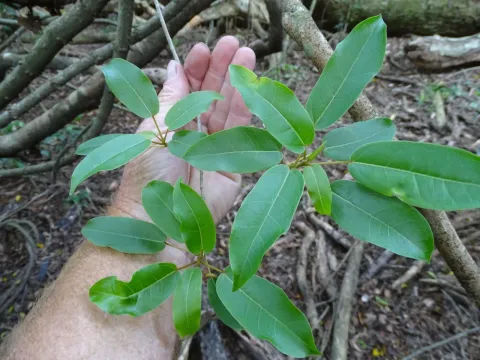
Ficus tremula
Ficus tremula
Ficus tremula, commonly known as the tremulous fig, is a distinguished member of the Moraceae family. Native to tropical Africa, this species is highly valued for its elegant foliage and is found naturally in various forest habitats across the continent.
What the section contains
Ficus tremula
The plant thrives in environments that mimic its tropical origin, requiring ample indirect sunlight and consistent warmth. It is essential to protect this species from frost and severe temperature fluctuations, which can cause significant physiological stress and leaf drop.
Soil requirements focus on high organic content and excellent drainage properties. A well-aerated substrate is crucial to support the root system, preventing waterlogging, which the plant is highly sensitive to. Regular repotting may be necessary as the plant matures.
Agricultural management includes precise watering schedules, allowing the soil to dry partially between applications. Maintaining a consistent moisture balance ensures that the plant remains healthy and resistant to physiological disorders throughout the seasons.
Pruning is an essential practice for managing the size and shape of the plant. By strategically removing branches, growers can encourage denser foliage and maintain a compact form, which is especially important for indoor or greenhouse cultivation.
Pest management is a critical component of Ficus tremula cultivation. Common invaders include spider mites, which thrive in dry air, as well as scale insects and mealybugs that congregate on the stems and undersides of leaves.
Fungal diseases, often manifesting as leaf spots or root rot, are typically associated with poor air circulation and excessive substrate moisture. Ensuring proper ventilation and avoiding over-watering are the primary preventative measures for these issues.
In case of infestation, integrated pest management strategies should be applied. This includes manual removal of pests followed by the application of horticultural soaps or specific systemic insecticides if the population levels exceed the economic threshold.
Regular monitoring of the plant’s health, including checking leaf turgor and color, allows for early detection of potential threats. Maintaining a clean growing environment significantly reduces the probability of recurring infestations.
When applying chemical treatments, it is necessary to follow label instructions carefully. Proper protection of the foliage from chemical stress is vital to maintaining the aesthetic value of the plant throughout the growing season.