
Bleekrodea tonkinensis
Bleekrodea tonkinensis
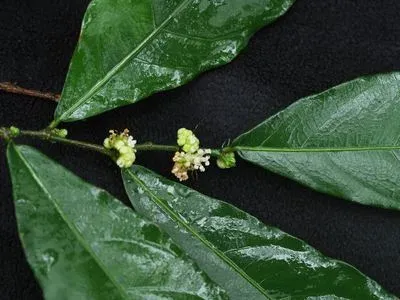
Description
Growing requirements
Bleekrodea tonkinensis is a plant species belonging to the family Moraceae. Native to the tropical regions of Southeast Asia, specifically Vietnam, this tree is adapted to high-humidity environments and moderate-to-high temperatures typical of its native ecosystem.
The cultivation of this species requires well-drained, nutrient-rich soils that provide consistent moisture without waterlogging. It thrives in locations with stable temperatures, avoiding any exposure to frost, which would be detrimental to its growth cycles.
From an agricultural standpoint, Bleekrodea tonkinensis requires managed shade during its early growth phases to prevent foliage burn. As it matures, it develops a robust canopy that benefits from proper thinning and maintenance pruning to ensure adequate airflow.
Botanically, the plant exhibits typical traits of the mulberry family, including complex leaf structures and specialized reproductive mechanisms. The species requires stable conditions to maintain the vegetative vigor necessary for high-quality plant matter production.
Economic interest in this culture primarily lies in its traditional medicinal properties. Sustainable farming practices are being explored to cultivate this rare species in controlled environments, ensuring supply while protecting the native wild populations.
Main diseases and pests
Fungal diseases related to high humidity represent the most significant threat to Bleekrodea tonkinensis health. Effective management involves maintaining soil aeration and applying preventive fungicide treatments in high-risk zones.
Insect pests, including various aphids and mites, can impede plant growth. Integrated pest management strategies, focusing on biological control and targeted intervention, are recommended for maintaining plantation health and product quality.
Root system vulnerability to waterlogging is a primary concern for growers. Implementing precise irrigation scheduling and high-quality drainage systems is vital to prevent root rot and ensure the longevity of the individual trees.
Nutrient deficiencies, particularly regarding secondary minerals, can lead to chlorosis. Regular soil testing and precise fertilization programs are essential to support the metabolic needs of the plant throughout the growing season.
Environmental stressors caused by fluctuating humidity and temperature can weaken the tree's immune system, making it susceptible to secondary infections. Climate-controlled environments or strategic site selection is essential for successful production.