
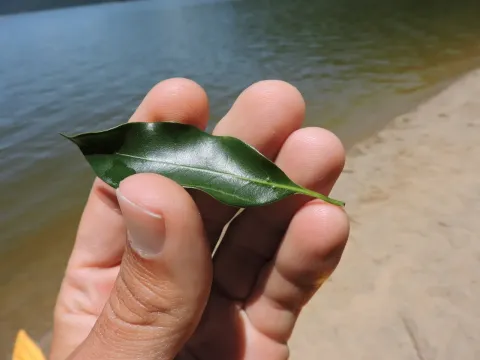
Ocotea catharinensis
Ocotea catharinensis
Ocotea catharinensis is a prominent tree species within the Lauraceae family, widely recognized for its ecological and economic importance in South America. It is an evergreen species that naturally populates the Atlantic forest regions.
What the section contains
Ocotea catharinensis
The cultivation of this species requires specific environmental conditions, primarily high humidity and stable temperatures characteristic of subtropical zones. It performs best on deep, nutrient-rich soils that offer excellent drainage.
Water availability is a critical factor for the successful establishment of the trees. During the juvenile stage, protection from direct sunlight and drought is essential to ensure a high survival rate in plantation settings.
Soil management for Ocotea catharinensis involves maintaining adequate organic matter content. Regular monitoring of the soil pH is recommended to ensure the optimal uptake of essential nutrients for healthy woody growth.
This species is known for its relatively slow growth rate, which necessitates patient management strategies. Silvicultural practices should focus on creating a balanced environment that mimics its native habitat to encourage structural development.
The primary economic output of Ocotea catharinensis is its high-quality timber. The wood is highly valued in the furniture industry and for architectural details due to its durability, density, and aesthetic appeal.
Harvesting operations must comply with sustainable forestry standards to prevent the degradation of native populations. Given its value, selective logging is often practiced to manage the yield without compromising ecological stability.
Processing the wood requires specialized equipment because of the density of the material. When handled correctly, the final products exhibit excellent resistance to pests and decay, justifying the investment in long-term cultivation.
Beyond timber, the species contributes significantly to local biodiversity. Its presence is vital for supporting various frugivorous bird species that rely on the tree's fruit for sustenance, thus ensuring seed dispersal.
Ongoing research into the propagation and plantation management of this species is crucial. By improving silvicultural techniques, foresters can achieve better yields while preserving the genetic diversity of this remarkable tree.