
Ocotea floribunda
Ocotea floribunda
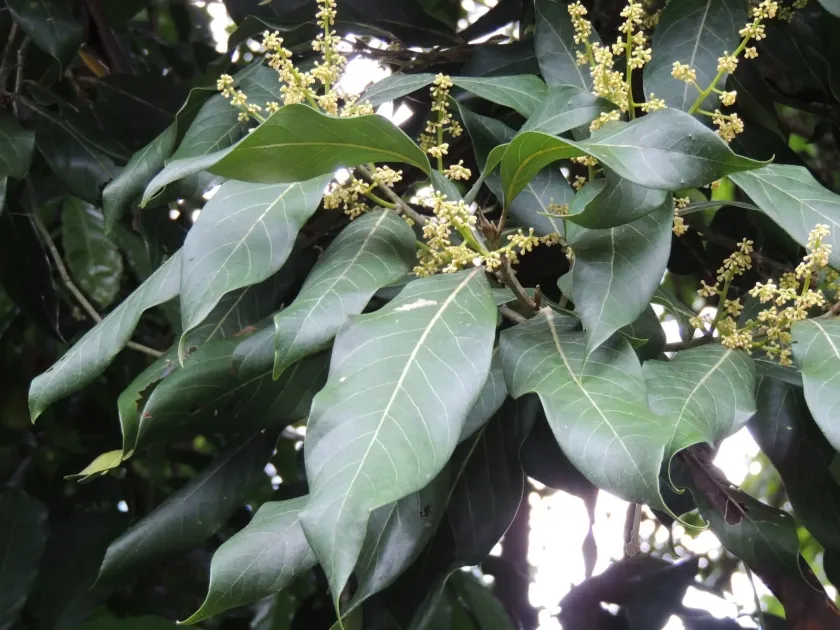
Description
Growing requirements
Ocotea floribunda is a prominent tree species belonging to the Lauraceae family, native to the tropical forests of the Americas. This evergreen tree is recognized for its ecological importance and its contribution to high-quality timber production.
The tree thrives in tropical environments that feature high humidity and consistent rainfall throughout the year. It requires stable temperatures, usually between 20°C and 28°C, to maintain optimal metabolic activity for wood formation.
Success in cultivating this species depends heavily on soil quality. The preferred sites are those with deep, fertile, and well-drained soils, as the root system is highly susceptible to rot in waterlogged or heavy clay conditions.
Light management is crucial during the early stages of establishment. While the tree can tolerate partial shade when young, full sunlight exposure is eventually required to promote a straight and robust bole development.
Proper silvicultural practices include regular thinning to ensure that individual trees receive adequate nutrients and light. This management strategy is essential to prevent stunted growth and optimize wood yield.
Harvesting
The primary economic value of Ocotea floribunda lies in its dense, fragrant, and durable wood. It is extensively utilized in fine furniture manufacturing, cabinetry, and high-end construction projects.
Harvesting strategies are planned based on the tree's growth cycles and technical maturity. Implementing sustainable logging practices ensures that the timber quality is maximized while preserving the surrounding ecosystem.
Beyond timber, various components of the tree are studied for their potential use in the pharmaceutical and fragrance industries. These secondary products enhance the overall profitability of cultivating this tree species.
Techniques such as careful felling and on-site processing help to preserve the integrity of the wood fibers. These methods are vital for maintaining the high standards required by the timber trade.
Post-harvest management emphasizes reforestation and site restoration to prevent soil erosion. This approach guarantees the long-term sustainability of the plantation and protects the local biodiversity.