
Ocotea dominicana
Ocotea dominicana
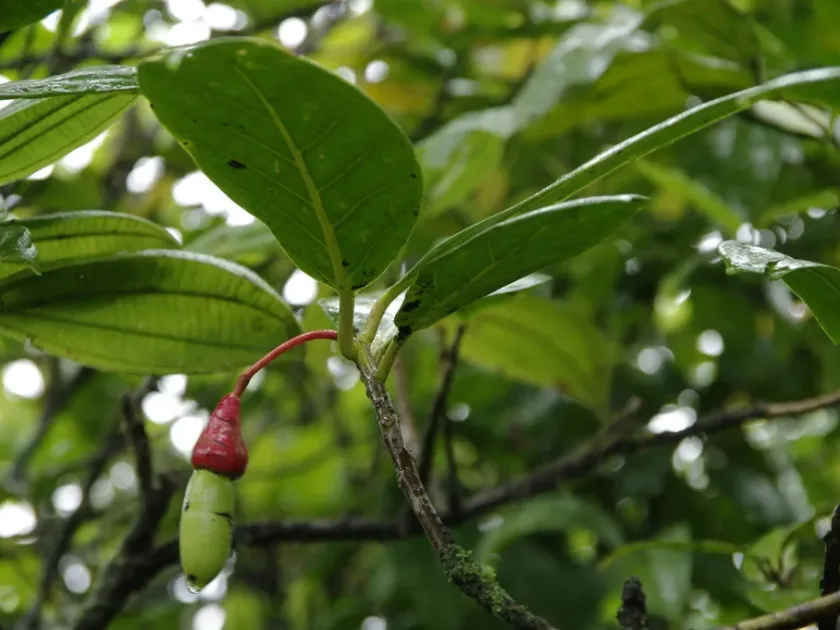
Description
Growing requirements
Ocotea dominicana is a prominent member of the Lauraceae family, native to the Caribbean, specifically documented in the Dominican Republic. It is an evergreen tree that contributes significantly to the biodiversity of its local ecosystem.
The species requires a humid, tropical climate to thrive. It is typically found in mountainous regions where consistent cloud cover and frequent mist provide the necessary moisture for successful development throughout the year.
Soil requirements are strict: the tree prefers deep, well-drained loamy soils rich in organic matter. Proper aeration of the root zone is vital to prevent the development of root diseases, which are common in waterlogged conditions.
In terms of agricultural management, young trees require a degree of shade. Establishing the trees under a canopy or using artificial shade structures is recommended until the saplings reach a robust size and are able to withstand direct sunlight.
Host plant utilization is focused on forestry and timber production. The wood produced by Ocotea species is often prized for its durability, fine grain, and natural resistance to decay, making it a valuable forestry asset.
Main diseases and pests
Root rot caused by soil-borne fungal pathogens represents the most significant threat to nursery-grown saplings. Strict moisture control and the use of sterile substrates are essential for prevention.
Boring insects represent a critical threat to the trunks of mature trees. These pests can compromise the structural integrity of the wood, significantly reducing its economic value in commercial forestry.
Habitat loss due to land development and deforestation remains the primary environmental threat. The limited natural range makes this species particularly vulnerable to population fragmentation.
Nutrient deficiency, specifically related to trace elements in the soil, can lead to stunted growth. Regular soil analysis and appropriate fertilization strategies are necessary to maintain healthy growth rates.
Climate instability, including irregular rainfall patterns, complicates the natural regeneration process. Artificial propagation efforts are currently being studied as a way to support population sustainability.