
Bixby nut
Juglans bixbyi
Description
Sowing dates
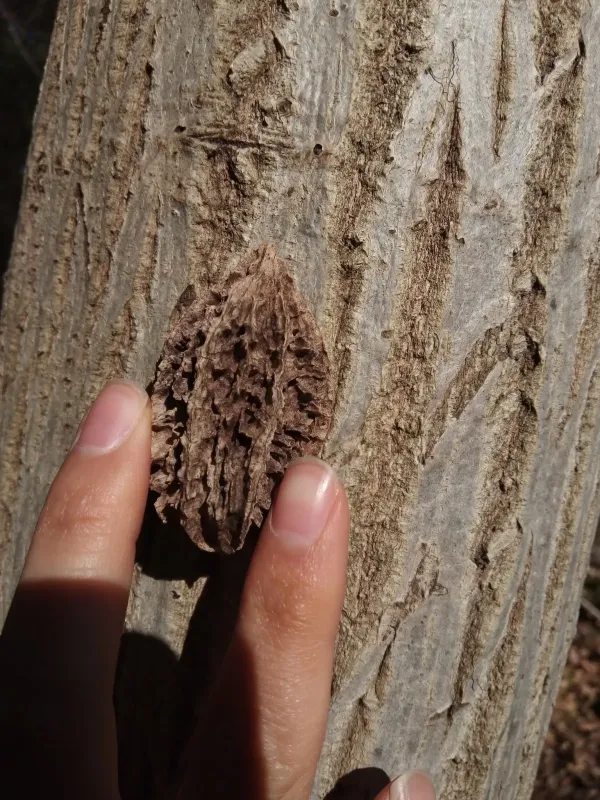
The Bixby nut (Juglans bixbyi) is a natural or intentional hybrid resulting from the crossing of the butternut (Juglans cinerea) and the heartnut (Juglans ailantifolia). Belonging to the Juglandaceae family, this species is highly valued for its adaptability. Propagation is typically achieved through grafting to ensure the consistency of desirable characteristics.
When planting, it is crucial to select sites with deep, well-drained soil. Avoid areas prone to waterlogging, as the root system of the Bixby nut is sensitive to excessive moisture and oxygen deficiency.
The best time for planting is early spring after the risk of severe frost has passed. Planting holes should be prepared with organic amendments to provide initial nutrients for the developing root system.
Spacing is essential for the long-term health of the tree. A distance of 8 to 10 meters between trees ensures adequate air circulation and sunlight penetration, which are vital for reducing the risk of fungal diseases.
Young trees require consistent monitoring of moisture levels during their first growing seasons. Establishing a deep watering regimen encourages root growth, helping the tree become self-sufficient over time.
Growing requirements
The Bixby nut thrives in temperate climates, showing significant hardiness compared to common English walnut varieties. It is capable of enduring cold winters while remaining productive during the growing season.
The tree prefers deep, fertile, and slightly acidic to neutral soils. It performs best in loam or sandy loam, provided there is enough depth for the taproot to develop fully.
Sunlight is the primary driver of photosynthesis for this species. Sites with full sun exposure are mandatory to ensure the development of a healthy canopy and consistent fruit set.
Mulching the root zone with organic material is a recommended practice. This maintains soil temperature, suppresses weed competition, and improves soil structure over the years.
Although hardy, protection from extreme late spring frosts during the flowering period is beneficial. Proper selection of the planting site can help minimize damage from cold air pockets.
Yield
One of the distinctive features of the Bixby nut is its cluster-bearing habit. This significantly increases the yield per tree compared to other walnut species, making it a productive choice for small-scale orchards.
Fruit production typically begins within 4 to 6 years of planting. The yield increases steadily as the tree matures, reaching substantial volumes when the tree reaches its prime age.
The nuts feature a thin shell, making them easier to process and enjoy than thicker-shelled varieties. The kernel quality is high, providing excellent nutritional value and flavor.
Regular pruning is essential to maintain high productivity. By removing dead wood and thinning the canopy, growers can improve light penetration and airflow, which directly correlates to healthier fruit development.
Economically, the Bixby nut represents a versatile crop. Its dual-purpose nature, suitable for both fresh consumption and culinary use, ensures steady demand in local and specialty markets.
Main diseases and pests
Marssonina leaf spot is a common concern for Bixby nut trees, especially in humid summers. Prevention involves maintaining good air circulation and sanitation within the orchard.
The walnut husk fly is a notable pest that can compromise the quality of the nuts. Integrated pest management strategies, including the use of traps, are effective in controlling populations.
Bacterial blight can cause lesions on foliage and shoots. Maintaining tree vigor through proper nutrition and removing infected branches immediately is the primary defense strategy.
Environmental stress, such as drought, can lead to nut drop. Providing supplemental water during the fruit-filling stage is vital to ensure maximum harvest volume.
- Remove fallen leaves to reduce overwintering of pathogens.
- Apply balanced fertilizers in early spring.
- Regularly inspect the foliage for signs of chlorosis or pests.
Harvesting
Harvesting usually occurs in early autumn when the husks begin to split, signaling that the nuts are mature. Prompt collection is necessary to prevent ground rot and pest damage.
Once collected, the husks should be removed as soon as possible. Cleaning the nuts prevents staining the shells and keeps the product looking appealing for the market.
Drying is a critical step in post-harvest processing. The nuts should be spread out in thin layers in a dry, well-ventilated area until the kernels are brittle and moisture content is reduced.
Storage should be in cool, dark conditions. Maintaining stable temperatures extends the shelf life of the nuts and preserves their taste and nutritional profile.
Properly processed Bixby nuts are highly sought after for their unique flavor, often commanding a premium price when sold as high-quality, sustainably grown produce.