
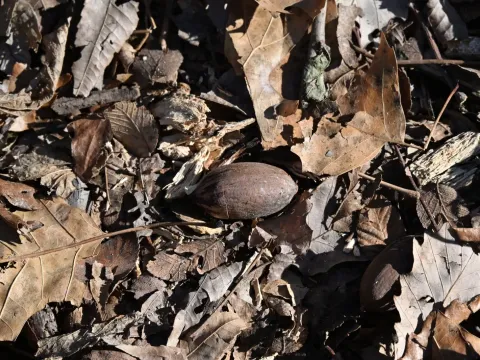
Carya
Carya Nutt.
Cultivation of Carya, commonly known as pecan, is typically achieved through seed propagation or grafting selected scions onto rootstocks. Seeds require a mandatory stratification period of 60 to 90 days in cool, moist conditions to break dormancy and ensure germination.
What the section contains


Carya
The ideal planting time for sprouted nuts or nursery-grown seedlings is in early spring, once the threat of late frosts has passed and the soil has warmed sufficiently.
When direct seeding, nuts should be planted at a depth of 8–10 centimeters. Maintaining consistent moisture in the root zone is critical for early development.
Proper drainage is essential during the sowing phase, as young Carya plants are highly susceptible to root rot and fungal infections in waterlogged soils.
Growth is notably slow during the establishment phase, requiring growers to maintain weed-free zones around young trees to reduce competition for nutrients.
Carya trees thrive in deep, fertile soils with excellent drainage and aeration. They have deep taproots and therefore require a substantial depth of topsoil to reach their full potential.
As a warm-season crop, Carya requires a long, hot growing season to allow the nuts to fill and mature properly before the first frost of autumn.
The optimal soil pH range for Carya is slightly acidic to neutral, specifically between 6.0 and 7.5, ensuring optimal nutrient availability for the trees.
Trees are sensitive to wind damage, making the selection of sheltered sites or the establishment of windbreaks a standard practice for commercial orchards.
Consistent water supply is necessary, especially during the critical nut-filling stage, as moisture stress can lead to shriveled kernels and reduced yields.
The timeline for first harvest depends on the propagation method: grafted trees often begin producing nuts in 5–7 years, while seedling trees can take 10–15 years.
Maximum orchard productivity is typically reached between 20 and 30 years of age, with mature trees producing substantial yields annually if managed correctly.
A single mature tree under ideal environmental conditions can produce between 15 to 50 kilograms of high-quality pecans per season.
Carya displays a tendency toward alternate bearing, meaning trees may produce a heavy crop one year and a significantly smaller one the next.
Regular crown maintenance and canopy pruning are vital to maximize photosynthesis and ensure that internal branches receive sufficient sunlight for fruit production.
Fungal diseases are a major concern, with pecan scab being the most destructive, particularly in regions with high humidity and frequent rainfall.
Key insect pests include the pecan weevil and aphids, both of which can cause severe damage to the foliage and developing nuts, leading to quality loss.
Bacterial blight can also affect branches, necessitating rigorous sanitation and the use of clean tools during any pruning or maintenance work.
Integrated Pest Management (IPM) strategies, including fungicide applications and monitoring for insect thresholds, are standard for protecting orchard health.
- Regular inspection of the canopy for signs of infestation or disease.
- Removal of infected wood and leaf litter to eliminate overwintering pathogens.
- Maintenance of orchard spacing to promote good air circulation and reduce disease spread.
Harvesting begins in autumn when the shucks (outer husks) split open, signaling that the nuts have reached maturity and are ready to be collected.
In large-scale operations, mechanical shakers are used to vibrate the tree trunks, causing the nuts to fall onto prepared ground or harvest catching frames.
Post-harvest, the nuts must be dried in well-ventilated areas to reduce kernel moisture to approximately 4–6 percent for long-term storage.
Prompt collection is essential, as prolonged exposure of fallen nuts to damp soil can lead to mold development and severe quality degradation.
Proper storage involves keeping the nuts in cool, dry conditions to prevent the degradation of oils and to preserve the flavor profile of the kernels.