
Cyclocarya
Cyclocarya
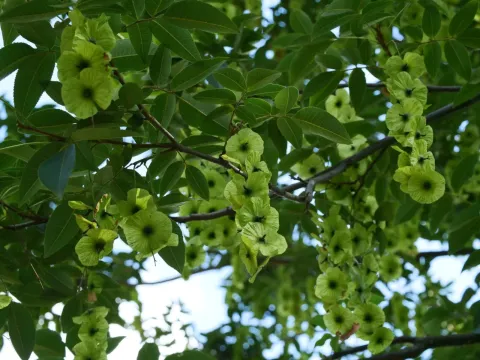
Cyclocarya (Cyclocarya paliurus) is a monotypic genus of trees within the Walnut family (Juglandaceae). Native to the mountainous regions of China, this species is highly valued for its leaves, which are processed into a traditional herbal tea known for various health benefits.
What the section contains

Cyclocarya
The plant thrives in humid subtropical climates, requiring consistent moisture and protection from extreme temperatures. It naturally grows at elevations between 500 and 2500 meters, preferring areas with mild winters and cool, foggy summers.
Soil requirements for Cyclocarya include deep, fertile, and well-drained soils with a slightly acidic to neutral pH. High organic matter content is essential for optimizing the yield of high-quality leaf material, which is the primary economic objective of this crop.
Agronomic management involves careful monitoring of water levels, particularly in the establishment phase. Shade management is often employed for younger trees to prevent leaf scorching and to ensure steady growth rates during the initial development years.
The economic value of Cyclocarya is primarily derived from its leaves, which are rich in bioactive compounds. Modern research focuses on the sustainable harvesting of leaves for use in the nutraceutical industry, emphasizing the plant's potential in metabolic health support.
The primary threats to Cyclocarya plantations involve fungal infections, which flourish in high-humidity environments. Leaf spot diseases are particularly detrimental to the market value of the crop, as the harvest quality depends on pristine foliage.
Insect pests, such as aphids and lepidopteran larvae, can cause significant damage to the plant's canopy. Implementing integrated pest management strategies is crucial to prevent infestations from compromising the harvest season.
Root system health is vital, and poor drainage leading to waterlogged soil is a major risk factor for root rot. Proper site selection and land preparation are the most effective preventative measures against this issue.
Nutrient deficiencies, specifically in trace minerals, can manifest as interveinal chlorosis. Regular soil testing and balanced fertilization programs are required to maintain vigorous plant growth and stress resistance.
Weed control is an essential practice in the maintenance of young orchards. Reducing competition for water and nutrients significantly boosts the overall health and productivity of the trees throughout their life cycle.