
Southern walnut
Juglans australis
Description
Growing requirements
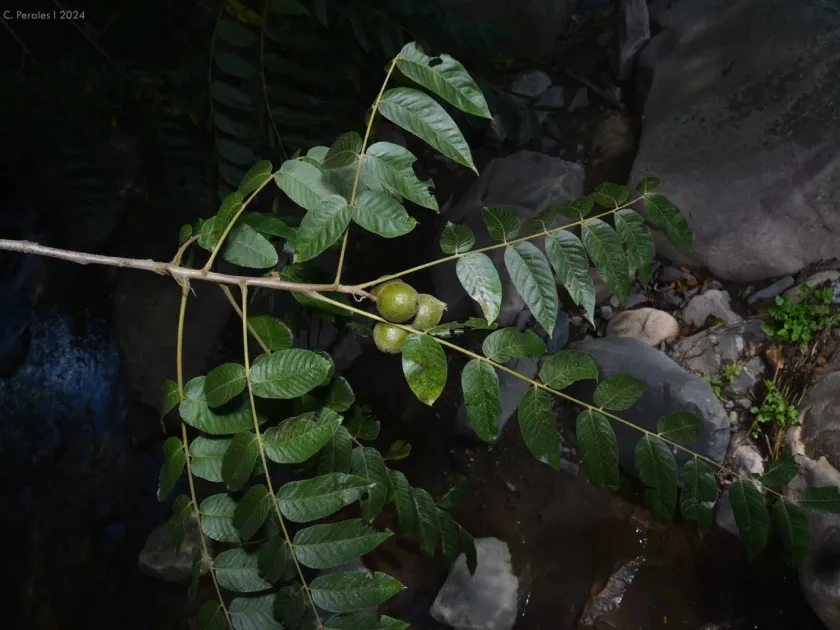
Southern walnut (Juglans australis) is a deciduous tree species belonging to the Juglandaceae family. It is native to the cloud forests and mountain regions of Argentina and Bolivia, thriving in environments that provide specific moisture and temperature conditions.
The tree requires deep, well-drained, and nutrient-rich soils to thrive. It is highly sensitive to waterlogging, as poorly drained soils often lead to root rot and significant decline in tree vigor, making site selection the most critical step in plantation establishment.
Climatic requirements involve a preference for temperate to subtropical conditions. Juglans australis needs a balance of consistent sunlight and protection from severe, drying winds, which can be particularly damaging during the delicate spring growth phase.
Cultivation practices must focus on maintaining soil fertility through organic amendments and balanced fertilizers. Since the tree has a high demand for nutrients, regular monitoring of soil chemical composition is essential for optimal growth and high-quality yield.
Proper pruning is vital for shaping the tree structure and ensuring adequate light penetration through the canopy. Regular maintenance of the crown structure helps to reduce humidity levels within the foliage, which in turn lowers the risk of fungal infections.
Yield
The economic value of Juglans australis is primarily attributed to its high-quality timber, which is highly sought after in the furniture and woodworking industries for its durability, unique grain patterns, and rich color.
In addition to timber, the species produces edible nuts. While yield volumes can vary based on environmental factors and tree maturity, consistent production can be achieved through good management practices and the use of healthy planting stock.
Harvesting usually occurs when the husks begin to split and the nuts naturally detach from the tree. Mechanization of the harvest process is highly recommended in commercial orchards to increase efficiency and maintain the quality of the gathered crop.
Post-harvest management is crucial, particularly the rapid drying of the nuts to reduce moisture content. Proper drying prevents the development of molds and preserves the nutritional profile of the kernels, ensuring marketability for food processing.
Beyond the primary harvest, the husks and shells can serve secondary purposes, including their use as organic mulch or in the production of specialized bio-based materials, supporting a sustainable agricultural business model.
Main diseases and pests
The most common pests affecting Juglans australis include the walnut husk fly and various species of lepidopteran larvae that can damage fruit quality. These pests require consistent monitoring through trap networks to determine the optimal timing for treatment.
Fungal pathogens such as Gnomonia leptostyla (brown spot) represent a significant threat to leaf health, potentially causing premature defoliation. High humidity and poor air circulation within the orchard are key factors that promote the spread of these pathogens.
Bacterial blight caused by Xanthomonas species can lead to necrosis of the buds, flowers, and fruit. Management involves the removal and destruction of infected wood and the sterilization of pruning equipment between trees to avoid cross-contamination.
Preventative measures are essential, including the use of certified disease-free seedlings and maintaining a clean orchard floor by removing leaf litter where spores tend to overwinter. Regular health inspections throughout the growing season are mandatory.
Implementing an integrated pest management (IPM) program that balances biological control methods with targeted chemical applications helps to maintain a healthy ecosystem while reducing the overall reliance on broad-spectrum pesticides.