
Patagonian cypress
Fitzroya cupressoides (Molina) I. M. Johnst.
Description
Growing requirements
Fitzroya cupressoides, commonly known as the Patagonian cypress, belongs to the family Cupressaceae. It is a slow-growing, long-lived evergreen conifer native to the temperate rainforests of the southern Andes.
The tree thrives in cool, humid environments with high annual precipitation levels. It requires deep, acidic, and well-drained soils that retain moisture without becoming waterlogged to maintain healthy root systems.
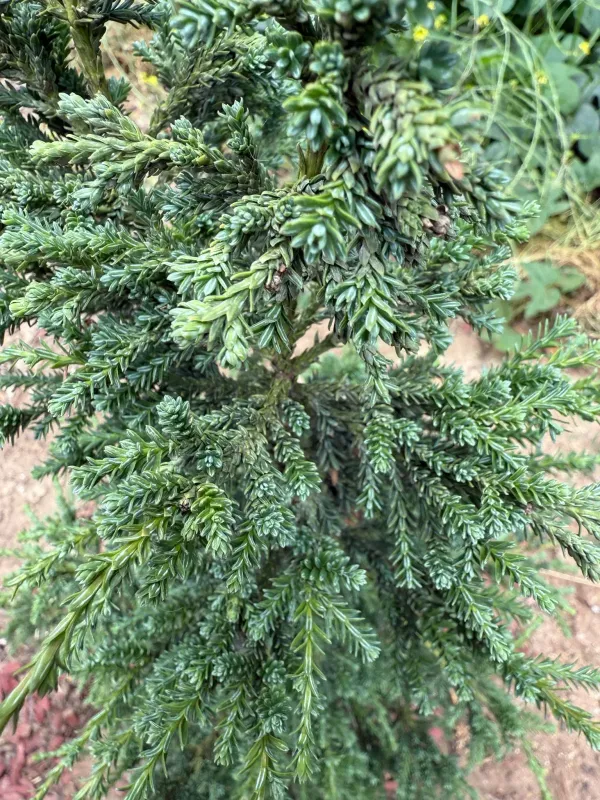
In cultivation, it is essential to provide protection from desiccating winds and excessive heat. The tree exhibits a unique architecture, often developing a buttressed trunk and dense, scale-like foliage.
Agrotechnical management focuses primarily on site selection. The soil should be rich in organic matter, and the site must offer consistent humidity levels, as the species is highly sensitive to moisture stress.
Historically, the timber was highly prized for its durability and resistance to decay, used for shingles and boat building. Currently, the species is protected under international agreements to prevent further exploitation.
Main diseases and pests
Forest fires are the primary threat to Fitzroya populations, as the trees lack the rapid regeneration capability needed to recover from fire-damaged landscapes.
Climate change poses a severe risk by altering rainfall patterns in the Valdivian temperate forests, directly impacting the species' ability to thrive in its native habitat.
In nursery settings, root pathogens and soil-borne fungi can cause significant damage if the drainage systems are not strictly managed and aeration is poor.
While mature trees are generally resilient, seedlings are vulnerable to herbivory and competition from more aggressive, fast-growing plant species in disturbed areas.
Maintaining the integrity of the soil microflora is crucial for successful cultivation, as the tree relies heavily on symbiotic mycorrhizal associations to absorb nutrients.