
Aloe vera
Aloe vera x Haworthia limifolia
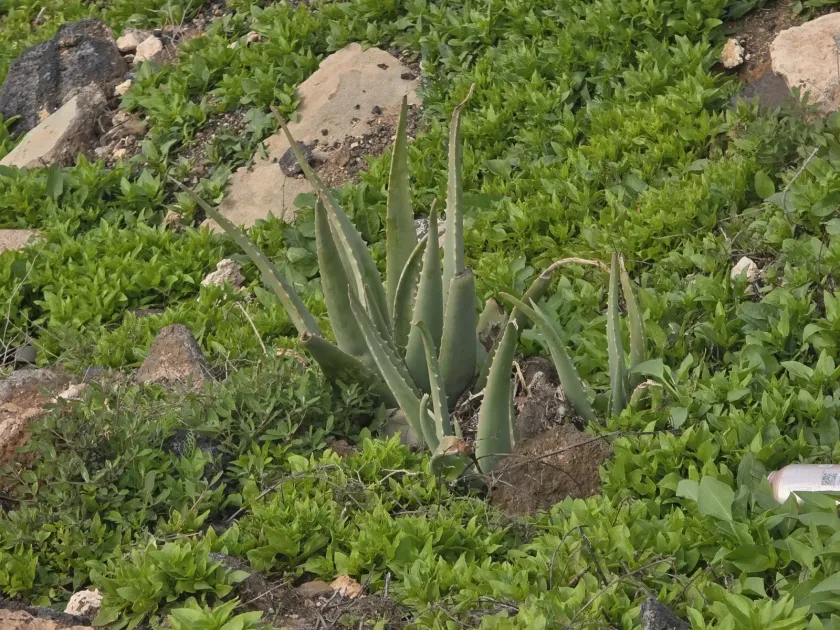
Description
Growing requirements
Aloe vera (Aloe vera) belongs to the Asphodelaceae family. This succulent perennial originates from the arid regions of Africa and the Arabian Peninsula, where it has adapted to harsh, dry environments.
The crop requires intense sunlight for optimal growth. High light intensity is essential to ensure the development of thick, fleshy leaves and to maintain a high concentration of active therapeutic compounds within the inner leaf gel.
Climate requirements include a warm environment with temperatures typically ranging between +20 and +30 degrees Celsius. Aloe vera cannot tolerate freezing temperatures, as the high water content in the leaves makes them susceptible to tissue damage upon frost exposure.
Soil conditions must prioritize excellent drainage to prevent moisture-related stress. Sandy or sandy-loam soils with a neutral to slightly acidic pH level are ideal for cultivation, allowing the root system to remain aerated and healthy.
Agronomic management involves a strict irrigation schedule. The substrate must be allowed to dry out significantly between watering sessions. Fertilization should be managed with low-nitrogen inputs to avoid excessive, weak vegetative growth.
Main diseases and pests
The primary threats to Aloe vera plantations are fungal diseases resulting from high humidity and poor air circulation. Root rot is the most common issue, often caused by overwatering or poor drainage systems.
Pests such as mealybugs and scale insects represent a significant threat to young crops. These insects feed on plant sap, which stunts growth and reduces the quality and appearance of the final product.
Spider mites can also be problematic in conditions of low humidity and high heat. They damage the epidermis of the leaves, creating localized necrotic spots that can lead to secondary bacterial infections.
Bacterial pathogens often invade the plant through wounds or cuts made during maintenance. Proper sanitation of tools and quick removal of infected tissues are essential to prevent the spread of decay within the plantation.
Integrated pest management (IPM) is the standard approach for Aloe vera, combining biological controls with specific cultural practices to minimize the reliance on chemical pesticides.
Harvesting
The economic value of Aloe vera lies in its gel and latex components. Leaves are typically ready for the first harvest when the plant is between three and four years old, depending on the growing conditions.
Harvesting is performed by manually cutting the mature, outer leaves from the base of the plant. A sharp, disinfected knife is required to ensure a clean cut and to prevent the spread of diseases to the mother plant.
Immediate processing is necessary after harvesting the leaves. The outer rind must be removed to extract the gel, and the extraction process must be handled under strict sanitary conditions to prevent microbial contamination.
Yields vary based on plant density and farm management. Efficient plantations are usually renewed every five to seven years to maintain maximum production levels and ensure the best plant health.
Aloe vera is highly sought after by the pharmaceutical and cosmetic industries. Because of the high demand for natural ingredients, scientific crop management is crucial for achieving high-quality yields and commercial success.