
Verticordia and Chamelaucium hybrid
Verticordia plumosa x chamelaucium uncinatum
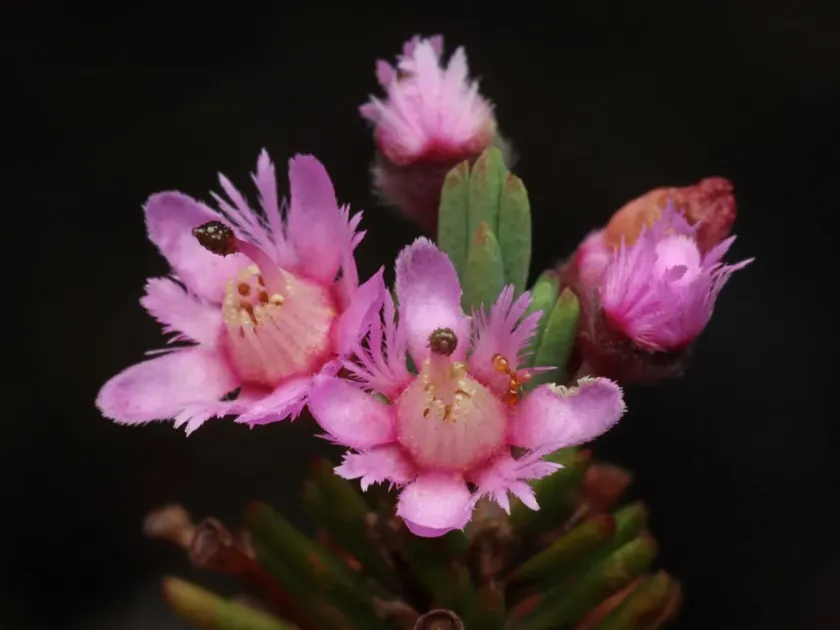
Description
Sowing dates
Propagation of this hybrid is primarily carried out through vegetative cuttings, as seed reproduction does not guarantee the retention of the parents' unique ornamental traits. The best time for taking cuttings is late summer or early autumn when shoots are semi-hardwood.
For rooting, lightweight and well-drained substrates based on perlite and peat are used to ensure proper aeration for the root system. Cuttings are placed in trays or individual pots while maintaining high humidity in a greenhouse environment.
The rooting process takes between 6 and 8 weeks, during which it is essential to maintain a stable temperature range of 20–24 degrees Celsius. The use of rooting hormones significantly improves the success rate of the planting material.
Once a strong root system is established, the seedlings undergo an acclimatization process, gradually adapting to open-air conditions or ventilated greenhouses. Transplantation to the final location is performed in spring after the risk of frost has passed.
It is vital to ensure the health of mother plants, as the hybrid is sensitive to infections transmitted through pruning tools. Disinfecting pruners is a mandatory step in the production technology.
Growing requirements
The hybrid of Verticordia and Chamelaucium belongs to the Myrtaceae family and has inherited a high demand for intense light from its ancestors. The plant performs best in open, sunny areas where even partial shade is excluded.
Soil requirements include a neutral to slightly acidic pH. The most critical factor is perfect drainage: stagnant water at the roots is detrimental to this hybrid and often leads to the development of root rots.
Climatic preferences are limited to regions with a Mediterranean-style climate characterized by mild winters and dry summers. The crop is not highly frost-hardy and requires reliable cover or greenhouse protection if temperatures drop below freezing.
During the active growing season, the plant needs moderate watering. Excessive soil moisture leads to leggy growth and reduced flowering intensity, so drip irrigation systems are highly recommended.
Fertilization should be controlled, primarily using low-phosphorus blends, as representatives of Australian flora are often negatively sensitive to an excess of this element.
Yield
Commercial use of this crop is primarily focused on cut flowers, as the inflorescences possess outstanding ornamental value and a long vase life. Yield depends directly on the intensity of formative pruning.
Strategic pruning allows for the stimulation of lateral shoots, which multiplies the output of marketable product per bush. In commercial floriculture, planting density is usually around 8,000 to 10,000 plants per hectare.
The peak of flowering occurs in the spring-summer season, depending on the temperature regime. Marketable quality of cut stems is assessed by length, strength, and the fullness of bloom opening.
Harvesting is performed in the early morning hours when tissue turgor is at its peak, ensuring long-term shelf life for the cut stems during transit. Maintaining proper storage temperature immediately after harvest is critical.
The crop is considered high-value in favorable climates, as the exotic appearance of the hybrid enjoys steady demand in the professional floral market.
Main diseases and pests
The primary threats to this hybrid are fungal diseases of the root system, such as Phytophthora, which occur due to waterlogged soil conditions.
Among pests, the most dangerous include:
- Aphids, which attack young shoots and buds during their intensive growth phase.
- Spider mites, which multiply rapidly in conditions of low humidity and high heat.
- Scale insects, which can cause significant damage when infestations spread.
- Root mealybugs, requiring regular monitoring of the root collar.
- Thrips, which damage flower petals and decrease the visual quality of the product.
Preventive treatments with systemic fungicides are conducted at the beginning of the season to prevent the spread of mycoses. Insecticide treatments are applied based on the detection of pests within an integrated pest management framework.
Timely sanitary pruning of diseased plant parts and maintaining spatial isolation help to reduce the overall infection pressure on the plantation.
Harvesting
Harvesting begins when the majority of buds on a stem have developed the characteristic color but have not yet fully opened. This ensures optimal shelf life and vase life for the customer.
Sharp, pre-disinfected tools are used for harvesting to minimize tissue damage and infection risk. Stems should be cut at an angle to improve water uptake.
After cutting, the stems are immediately placed in clean water with added preservatives to prevent bacterial growth in the xylem. This is a crucial step for maintaining product quality.
Grading is performed based on stem length and inflorescence quality either in the field or in the packing house. Substandard stems are discarded to prevent cross-contamination of the harvest.
Transportation is carried out in specialized refrigerated trucks at a temperature of 4-6 degrees Celsius, allowing the preservation of freshness over long durations during export.