
Verticordia plumosa x Chamelaucium ciliatum
Verticordia plumosa x chamelaucium ciliatum
Description
Growing requirements
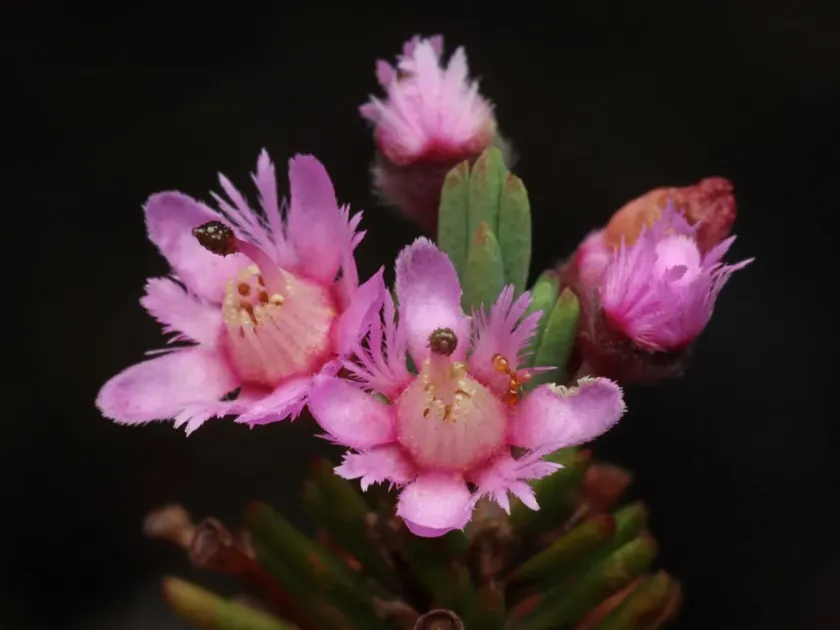
This intergeneric hybrid belongs to the Myrtaceae family and is recognized as a specialty ornamental crop valued for its unique, wax-like blooms and fine, feathery foliage. It is a product of sophisticated hybridization aimed at enhancing the aesthetic characteristics of native Australian flora.
The plant demands extremely well-draining, sandy soils. In commercial cultivation, it is often grown in raised beds or containers to ensure the root system is never exposed to stagnant water, which is the primary cause of plant failure.
Climate requirements include high solar exposure and moderate ambient temperatures. The hybrid is not frost-tolerant and requires protected cultivation environments, such as greenhouses or tunnels, in regions where temperatures fall below critical thresholds.
Agricultural management requires careful balancing of moisture levels. Irrigation should be applied strategically, focusing on the root zone while avoiding wetting the foliage to prevent the development of fungal pathogens.
Nutrient management must be precise; standard NPK fertilizers may be too high in phosphorus, which is toxic to many species within this group. Use specific low-phosphorus fertilizers designed for proteaceous or myrtaceous plants.
Main diseases and pests
Phytophthora root rot is the most devastating disease for this hybrid. Prevention relies on using high-quality potting mixes, strict sanitation of containers, and avoiding cross-contamination from field soil.
Spider mites are common in indoor or protected environments, especially during hot and dry spells. Integrated pest management using biological controls or soft soaps is recommended to maintain the quality of the marketable stems.
Botrytis and other gray molds can affect the dense flower heads if humidity is too high. Improving airflow within the greenhouse by using fans and adjusting plant density significantly minimizes these risks.
Aphids can cause damage to the tender growth tips during the spring flush. Monitoring and localized application of systemic insecticides are standard procedures for professional growers to ensure a perfect yield.
Root-knot nematodes can inhibit nutrient uptake in sandy soils. Soil solarization or the use of nematode-resistant rootstocks (if grafted) can mitigate this risk for field-grown crops.
Harvesting
The primary commercial use of this hybrid is in the floral industry as a premium filler or feature flower. Its long vase life and unique appearance make it a sought-after product for high-end arrangements.
Harvesting is performed by carefully selecting stems that have reached the appropriate stage of maturity. Using disinfected shears is mandatory to prevent the spread of systemic diseases between plants during the cut.
Post-harvest handling involves placing the stems in hydrating solutions immediately after cutting. Maintaining the cold chain during transport is essential to preserve the quality of the delicate wax petals.
The harvesting process serves as a secondary pruning, which helps maintain the plant's shape and encourages the growth of new shoots for future production cycles.
Grading is based on stem length, uniformity of bloom development, and the absence of any physiological damage to the foliage or floral components.