
Chamelaucium hybrid
Chamelaucium uncinatum x Verticordia grandis
Description
Growing requirements
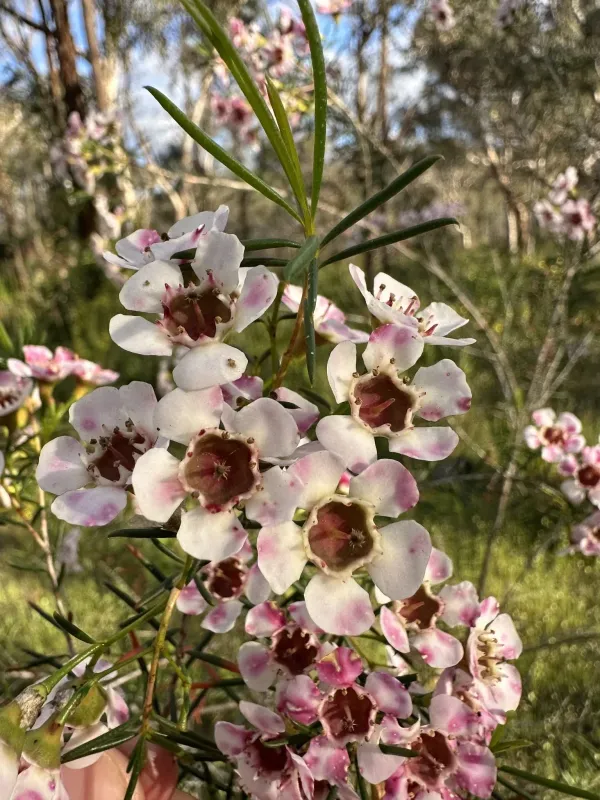
Chamelaucium hybrid is an intergeneric cross within the Myrtaceae family, combining the traits of Chamelaucium uncinatum and Verticordia grandis. It is highly prized in the floral industry for its resilience and unique aesthetic appeal.
This crop originates from Western Australia, thriving in Mediterranean-like climates characterized by mild, wet winters and warm, dry summers. It requires maximum sun exposure for optimal flower development.
Soil structure is of paramount importance for this species. It demands well-draining, sandy or gravelly soils with low phosphorus content, as plants in the Myrtaceae family are extremely sensitive to fertilizer toxicity.
The ideal pH range for cultivation is between 5.5 and 6.5. Maintaining good aeration in the root zone is crucial to prevent physiological stress and promote healthy, vigorous growth of the foliage and stems.
Water management should focus on consistency. While the plants are drought-tolerant once established, industrial production requires controlled irrigation to maintain the quality necessary for the cut-flower market.
Main diseases and pests
Phytophthora root rot is the most significant disease threat to Chamelaucium hybrids. Prevention relies on maintaining excellent drainage and using certified, sterile propagation media to ensure healthy starts.
Pest pressures include spider mites and aphids, particularly in greenhouse environments. Integrated Pest Management (IPM) strategies, including biological controls, are highly recommended to keep populations in check.
Powdery mildew can occur if air circulation is inadequate. Ensuring proper spacing between plants and maintaining low humidity levels around the foliage are effective preventative measures.
Botrytis (gray mold) can infect flowers during periods of high humidity or poor ventilation. Removal of debris and proper greenhouse climate control are essential for protecting the harvestable product.
Monitoring for viral infections is also necessary, as these can stunt growth and ruin the marketability of the cut stems, requiring the immediate removal of symptomatic plants to prevent spread.
Harvesting
Harvesting should be performed when the flower buds are in the mature opening stage. This timing balances the need for immediate ornamental appeal with long-lasting freshness for the consumer.
Stems must be cut with sharp, sterilized shears. It is critical to ensure that cuts are clean to facilitate water uptake and reduce the risk of secondary infections at the wound site.
Immediately after harvest, stems should be placed in clean, fresh water. Many growers use hydrating solutions to improve the post-harvest performance of the stems before they are processed for shipment.
Grading is essential for market standards, sorting stems by length and the uniformity of the flowering spray. Consistent grading ensures that the product meets the specific requirements of wholesale florists.
Post-harvest storage requires cool temperatures, typically between 2 and 5 degrees Celsius. Keeping the flowers away from ethylene sources, such as ripening fruit, is vital to extend the display life.