
Primula malacoides
Primula malacoides Franch.
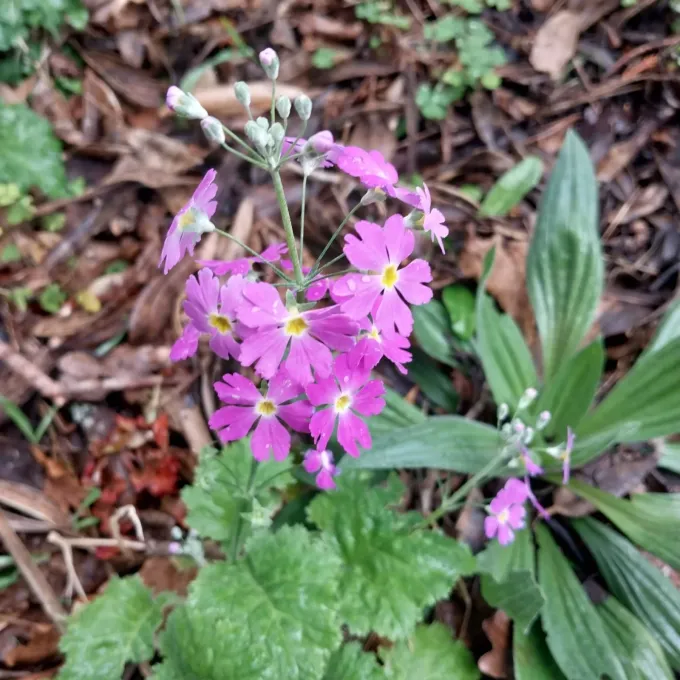
Description
Sowing dates
Primula malacoides Franch., commonly known as the fairy primrose, belongs to the Primulaceae family. In agricultural production, sowing is scheduled according to the target market date, typically during late summer or early autumn for winter blooming.
The seeds are exceptionally small and require surface sowing on a sterile, fine-textured substrate. They need light to germinate, so they should not be buried deep within the growing medium.
Consistency is key during the germination phase, which requires temperatures between 18 and 20 degrees Celsius and constant humidity. Greenhouse managers often use misting systems to keep the surface moist without washing the seeds away.
Once seedlings have developed two true leaves, they are pricked out into individual pots or cell trays. Great care must be taken to handle them by the leaves rather than the delicate stems.
A well-draining peat-based mix is recommended for the transplant stage to promote rapid root development and prevent early-stage damping-off.
Growing requirements
Originating from the mountainous regions of China, this species thrives in cool climate conditions. Optimal growth is observed when daytime temperatures remain below 20 degrees Celsius.
Soil requirements include a lightweight, nutrient-rich substrate with a slightly acidic pH. Proper drainage is the most critical factor in successful cultivation, as the species is highly susceptible to root decay from waterlogging.
While the plant needs bright, indirect light, it must be protected from intense mid-day sun, which can scorch the foliage. In greenhouse settings, shading screens are typically employed from spring through autumn.
Humidity levels should be maintained at 60-70 percent. High airflow is necessary to prevent the buildup of stagnant air, which can encourage fungal pathogens and reduce the plant's overall vigor.
Fertilization should be balanced, with a focus on avoiding excess nitrogen, which can lead to soft, succulent growth that is more attractive to pests and less resistant to environmental stress.
Main diseases and pests
The crop is vulnerable to various fungal diseases, including gray mold (Botrytis), Rhizoctonia, and Pythium root rot. These are primarily managed through strict irrigation control and sanitation protocols.
Viral pathogens, such as the tomato mosaic virus and tobacco mosaic virus, represent significant threats that can cause stunted growth and deformed flowers. Since these are often insect-vectored, controlling aphids and whiteflies is vital.
Root-knot nematodes can cause severe damage by forming galls on the roots, which interferes with nutrient uptake. Soil sterilization or the use of nematode-free potting media is the standard preventative measure.
Rust diseases can occur under unfavorable moisture conditions. Early detection and the application of appropriate fungicides are necessary to protect the market value of the crop.
Anthracnose may affect plants in poorly ventilated greenhouses, appearing as necrotic spots on the foliage. Routine removal of damaged plant material is essential to prevent secondary infections.
Harvesting
The harvest of Primula malacoides is defined by its peak decorative state, when the first major wave of flowers opens. Timing is crucial to ensure the plants remain attractive throughout the retail period.
Plants are typically marketed as potted crops. The packaging process requires careful handling to prevent mechanical damage to the delicate flower stalks and leaves.
Transport must be performed in climate-controlled conditions. Avoiding heat stress during shipping is essential to ensure that the plants reach the consumer in perfect condition.
After the harvest, all greenhouse surfaces, tools, and equipment must undergo thorough sanitation procedures to eliminate any remaining viral or fungal inoculum from the growing environment.
Continuous monitoring of the crop until the final day of shipment is standard practice for professional agronomists managing this ornamental species.