
Poison primrose
Primula obconica Hance
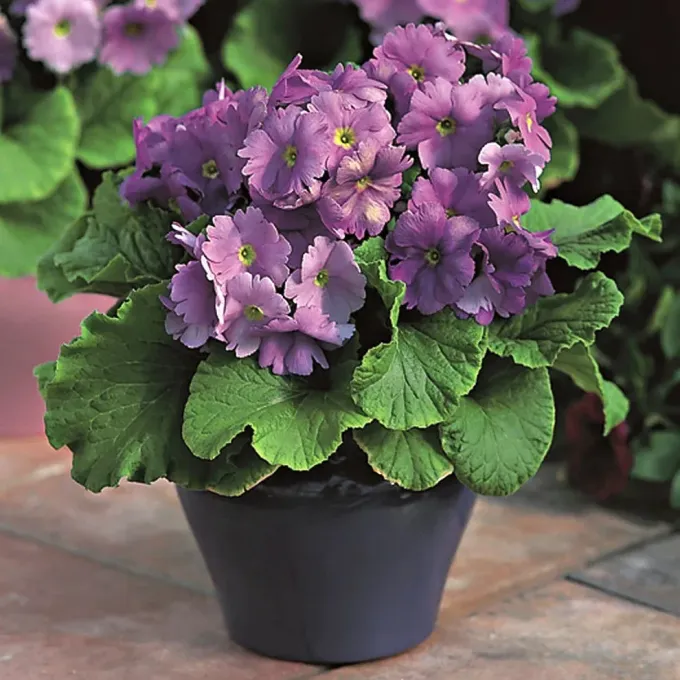
Description
Sowing dates
The propagation of Primula obconica is primarily performed by seeds sown in late winter. Seeds are small and should be scattered on the surface of a light, sterile soil mix without being covered by soil.
Keeping the humidity high is crucial for germination, which is achieved by covering the container with glass or plastic. Germination generally occurs within 15 to 21 days at 18–20 degrees Celsius.
Pricking out the seedlings occurs when they reach the two-leaf stage. Careful handling is necessary to protect the delicate root system from damage during this transition phase.
Transplanting into individual pots should be done once the young plants have developed a sufficient root ball. Using a well-draining soil mix enriched with organic matter promotes healthy development.
Proper timing of sowing is vital for commercial growers to ensure the plants reach the peak flowering stage in time for the designated market season, typically late autumn or winter.
Growing requirements
Primula obconica is an ornamental herb of the Primulaceae family. It is widely cultivated for its attractive, long-lasting clusters of flowers that appear in a variety of vibrant colors.
The plant requires bright but indirect sunlight. Direct exposure to intense summer sun can cause scorched leaves, while low light conditions during winter often lead to weak, leggy growth.
Ideal temperatures for cultivation range from 15 to 18 degrees Celsius. Stability is key, as sudden temperature drops or heat spikes can cause premature flower bud abortion.
Soil requirements involve a loose, peat-based substrate with excellent aeration and moisture retention properties. The pH should be maintained in the slightly acidic to neutral range.
Watering must be done with caution; the soil should be kept consistently moist but never waterlogged. Efficient drainage is mandatory to prevent the development of root-borne pathogens.
Main diseases and pests
Grey mold (Botrytis) is a primary concern for growers, especially in humid and poorly ventilated greenhouse environments, as it quickly affects foliage and open flower clusters.
Root rot diseases, including Pythium and Rhizoctonia, are prevalent when moisture management is poor. These pathogens can destroy the root system, causing rapid decline and plant death.
Viral infections such as the Tomato mosaic virus and Tobacco mosaic virus are significant threats to Primula obconica. These viruses spread rapidly and are difficult to eradicate once introduced.
Root-knot nematodes are problematic soil pests that cause stunted growth and swellings on the roots. Strict sanitation and the use of sterile growing media are essential for prevention.
Rust and anthracnose can occasionally occur, manifesting as unsightly spots on leaves. Regular scouting and the application of fungicides, combined with the removal of affected plants, are necessary strategies.