
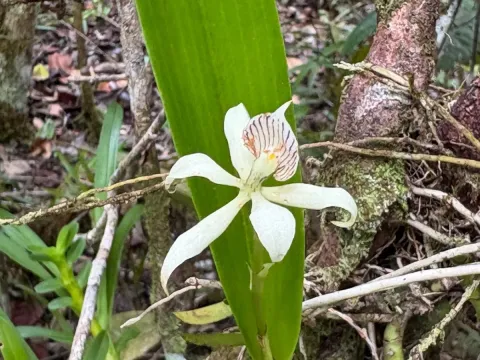
Prosthechea
Prosthechea Knowles & Westc.
Prosthechea is a diverse genus of epiphytic and lithophytic plants belonging to the Orchidaceae family. Native to the tropical regions of the Americas, these plants are predominantly found in humid forests, where they thrive on tree branches and rock surfaces as part of the diverse rainforest ecosystem.
What the section contains

Prosthechea
Botanically, these orchids exhibit a sympodial growth habit, producing distinct pseudobulbs that store water and nutrients. The leaves are typically leathery and tough, designed to survive in environments where moisture levels can fluctuate significantly throughout the day and across different seasons.
Successful cultivation requires precise climate management, including temperatures typically ranging from 22°C to 26°C during the day and cooler nights. High humidity is essential, ideally between 60% and 80%, accompanied by consistent air circulation to mimic the mountain or forest breeze.
For substrate, a well-draining medium is critical. Most growers use a mix of pine bark, charcoal, and sphagnum moss to ensure that oxygen reaches the roots while maintaining enough moisture to support active growth. The choice of container should allow for good drainage.
Lighting requirements are specific: these plants prefer bright, indirect sunlight. Exposure to harsh, direct sunlight can lead to leaf scorching, while insufficient light may prevent the plant from blooming. East or west-facing windows with filtered light usually provide the best results.
Scale insects are a common pest that can severely stress the plant. They often cluster in hidden areas such as the base of pseudobulbs or along the undersides of leaves, making regular monitoring and mechanical cleaning of the plant surfaces an essential part of the routine.
Mealybugs are another persistent threat, easily identified by the white, cotton-like masses they create on the plant. They weaken the orchid by extracting sap, which can stunt new growth and make the plant more susceptible to secondary infections or viral attacks.
Fungal issues, particularly root rot, are the most frequent cause of plant mortality in collections. Overwatering or using a degraded substrate creates a breeding ground for pathogens that attack the delicate root system, leading to rapid tissue decay and overall decline.
Bacterial soft rot can occur if water settles in the crown or leaf axils for extended periods. This condition causes rapid liquefaction of the plant tissues, often emitting a distinct foul odor and requiring immediate excision of the affected area to save the specimen.
Maintaining a healthy environment is the best defense against pests and diseases. This includes adequate spacing between plants to prevent the spread of insects and ensuring that all tools are sterilized before use to avoid cross-contamination of pathogenic fungi or bacteria.