
Single Tulip
Tulipa single
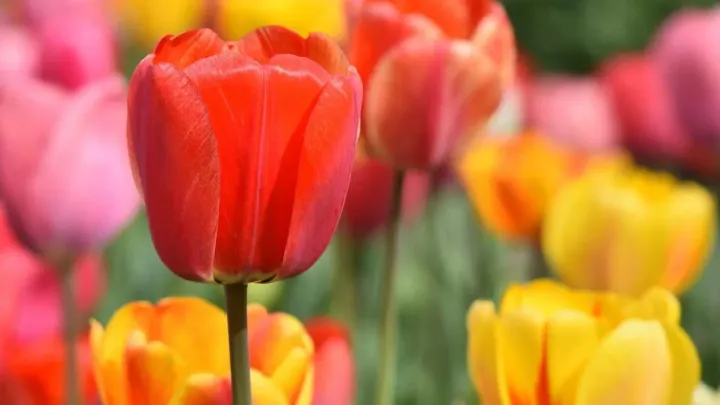
Description
Sowing dates
Planting of Single Tulips is conducted in the autumn when soil temperatures at a depth of 10-12 cm drop to 9–10°C. This timing is essential to ensure that bulbs establish a strong root system before the onset of winter freezing temperatures.
The optimal planting depth is approximately three times the height of the bulb, usually ranging from 10 to 15 cm. Shallow planting makes bulbs vulnerable to frost damage, while excessive depth can lead to delayed emergence and poor production of replacement bulbs.
Spacing between bulbs in commercial production is typically kept at 10–15 cm. This ensures adequate space for nutrient uptake and promotes air circulation around the plants, which is vital for preventing the development of moisture-related diseases in the spring.
After planting, covering the area with a 3-5 cm layer of mulch, such as peat or compost, is recommended. This layer provides thermal insulation against temperature fluctuations and prevents the formation of a soil crust, ensuring easier emergence of shoots.
Early in the spring, once the snow melts, farmers should inspect the plots to remove any damaged or non-viable bulbs. Following this, an application of nitrogen-based fertilizers is often beneficial to jump-start vegetative growth.
Growing requirements
The Single Tulip belongs to the Liliaceae family and is a light-demanding crop. To achieve optimal flowering and bulb development, plants should be positioned in sunny, open areas that are sheltered from high winds, which can easily damage the stems.
The ideal soil for tulips is well-drained, sandy loam or loam with a neutral to slightly alkaline pH. The crop is highly sensitive to waterlogging, necessitating the installation of drainage systems in low-lying areas to prevent bulb rot.
High organic matter content is essential for quality production. However, fresh manure should not be applied shortly before planting as it significantly increases the risk of fungal infections like Fusarium and basal rot; it should be integrated into the soil a year in advance.
Adequate moisture is required during the active growth and budding phases. Conversely, once flowering ceases and leaves begin to yellow, moisture levels should be significantly reduced to allow the bulbs to enter their dormancy period correctly.
A temperature range of 15–20°C is optimal during the vegetation period. High temperatures during the blooming phase can shorten the lifespan of the flowers, making early harvesting or temperature management strategies crucial for commercial floriculture.
Main diseases and pests
Fungal diseases are the primary threat to Single Tulips, with Botrytis (grey mold) being the most common in humid conditions. This pathogen attacks foliage and stems, requiring proactive fungicide treatments and good management of field humidity to keep populations under control.
Fusarium rot and Penicillium mold are severe threats to bulb health during both storage and the initial growth phases. Infected bulbs should be discarded immediately, and soil management practices, including proper crop rotation, are essential for prevention.
Pests such as bulb mites and nematodes pose a significant risk, as they target the bulb's basal plate, leading to stunted growth and plant death. Managing these pests relies on chemical treatments for the bulbs before planting and maintaining strict hygiene in storage areas.
Tulip Breaking Virus is a critical phytosanitary concern. It causes characteristic color streaks on petals and is incurable. Any symptomatic plants must be rogueed out immediately to prevent the spread of the virus by aphids or contaminated cutting tools.
An integrated pest management approach, involving regular monitoring and the use of authorized chemical protectants during critical growth phases, is the most effective way to protect the investment and ensure high-quality flower production.
Harvesting
Harvesting begins when two-thirds of the foliage has turned yellow and the stem has become flexible. Harvesting too early results in immature, small bulbs, while delaying harvest can lead to bulb loss due to the natural separation of daughter bulbs in the soil.
Once harvested, bulbs must be cleaned of soil and debris, then cured in a well-ventilated, shaded area. Proper curing is essential to allow the outer skins to dry and protect the bulbs from mechanical damage and fungal spores during the storage period.
Bulbs should be sorted by size into commercial grades. The largest bulbs (first grade) are selected for sale or forcing, while smaller bulbs are kept for development over the next 1-2 growing seasons in dedicated nursery plots.
Storage conditions are paramount for bulb longevity. Temperatures should be managed carefully, usually starting at 20°C to promote flower bud development, and then gradually lowered to 15°C to prepare the bulbs for the next planting cycle.
Maintaining a storage humidity of around 70% is necessary to prevent mold growth on the bulbs. Using perforated crates or mesh bags improves airflow around the bulbs, further reducing the risk of rot and ensuring high vigor at the time of planting.