
Didier's Tulip
Tulipa didieri
Description
Growing requirements
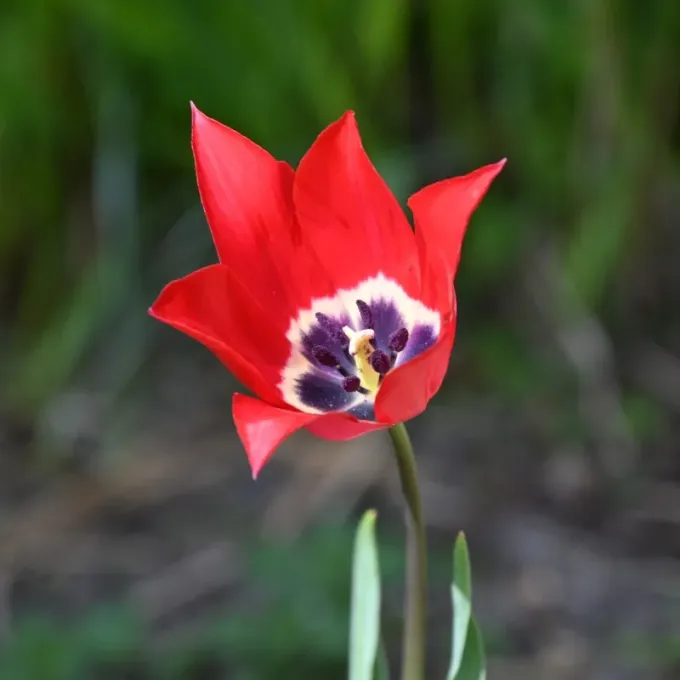
Didier's Tulip (Tulipa didieri) is a distinctive bulbous perennial belonging to the Liliaceae family. It is primarily native to the mountainous regions of Southern Europe, specifically displaying adaptation to Mediterranean climatic conditions where light and well-drained soils prevail.
Cultivation requires fertile, well-draining soil with a neutral to slightly alkaline pH. Proper soil structure is essential, as waterlogged conditions in the root zone quickly lead to bulb rot, which is the most frequent cause of failure in tulip management.
The plant thrives in full sun exposure. In gardening practice, providing a location that receives at least six to eight hours of direct sunlight is crucial for the development of robust flower stems and vibrant coloration of the petals.
Watering management should be moderate, focusing on the active growth period. Once the flowering stage concludes and the foliage begins to senesce, irrigation must be significantly reduced to allow the bulb to enter its natural dormancy phase.
Annual lifting of the bulbs after the foliage yellows is recommended to improve bulb size and health, as this practice prevents the overcrowding of offsets and reduces the pressure from soil-borne pathogens common in permanent garden beds.
Main diseases and pests
The species is susceptible to various fungal pathogens, most notably Botrytis tulipae (tulip fire), which manifests as necrotic spots on the foliage and deformed flowers, especially during cool, damp spring weather.
Viral infections, particularly the tulip breaking virus, cause irregular color patterns on the petals and a gradual decline in plant vigor. There is no cure for this virus, necessitating the removal and disposal of infected plants.
Root-lesion nematodes and bulb mites pose a hidden threat, feeding on the basal plate of the bulb, which restricts nutrient uptake and leads to stunted growth or total plant failure during the growing season.
Aphids can serve as vectors for viral diseases and cause physical damage by sucking sap from the buds. Integrated pest management, including regular inspection and the use of targeted sprays, is essential for control.
Rodent damage represents a significant threat during the dormant period, as mice and voles frequently consume the energy-rich bulbs; planting bulbs in protective wire cages is a standard horticultural defense strategy.