
Darwin tulip
Tulipa darwin
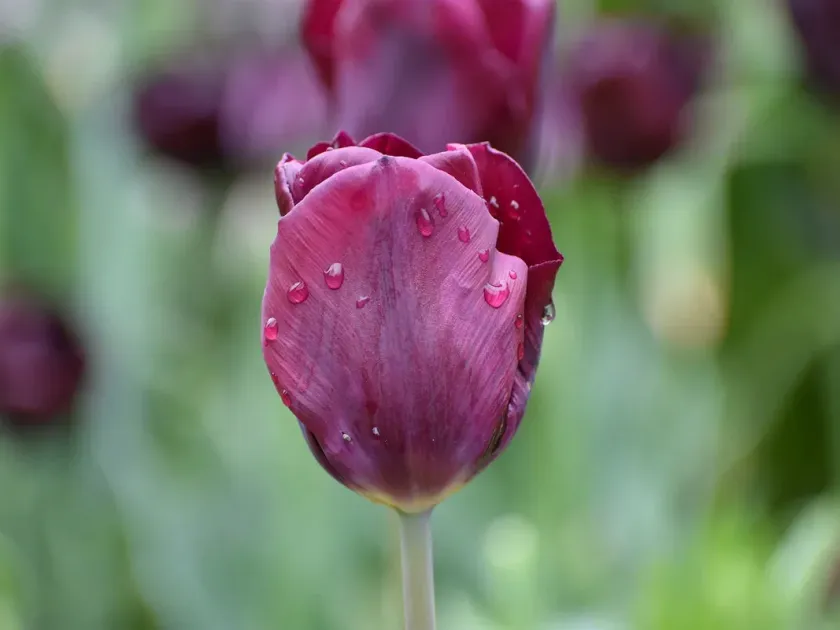
Description
Sowing dates
Planting Darwin tulip (Tulipa darwin) bulbs is best performed in the autumn season, specifically when soil temperatures at a depth of 10-12 cm drop to 9–10 degrees Celsius.
In temperate climates, the ideal window for planting is from late September to early October, allowing sufficient time for root development before the frost arrives.
Early planting in warm soil increases the risk of fungal infections, while planting too late prevents the bulbs from establishing a strong root system, impacting their winter survival.
The standard planting depth is 10–15 cm, roughly three times the height of the bulb, with spacing between individuals maintained at approximately 10–15 cm.
After planting, it is recommended to apply a layer of peat or compost mulch to protect the bulbs from temperature fluctuations and keep the soil moisture consistent.
Growing requirements
The Darwin tulip belongs to the Liliaceae family and requires significant exposure to direct sunlight for healthy vegetative growth and intense bloom coloration.
This crop thrives in light, well-drained loamy or sandy soils with a neutral to slightly alkaline pH, as poor drainage is a primary cause of bulb rot.
Consistent watering is essential during the budding and flowering stages, though care should be taken to water the base of the plant to avoid foliage diseases.
A balanced fertilizer program is necessary for optimal performance, utilizing nitrogen in the spring and potassium-phosphorus blends during the flower bud formation phase.
Darwin tulips are hardy; however, in regions with harsh, snowless winters, providing a protective covering of evergreen boughs or dry leaves helps prevent frost damage.
Main diseases and pests
Fungal diseases are the primary threat to the crop, including Botrytis, Fusarium wilt, and grey mold, which are often exacerbated by poor air circulation and excessive moisture.
Key insect pests that can cause significant damage include the bulb mite, the stem nematode, and larvae of the cockchafer beetle, which feed on the subterranean parts.
Rodents such as voles can also cause substantial economic losses by consuming bulbs during the winter months, often tunneling beneath the protective mulch layers.
Preventative measures should include treating bulbs with fungicides before planting and maintaining a strict crop rotation schedule to break disease cycles.
Plants exhibiting symptoms of the viral variegated petal disease (tulip breaking virus) must be removed and destroyed immediately to prevent transmission by aphids.
Harvesting
Harvesting bulbs is done once the foliage has turned yellow and withered, typically in June or July depending on the specific climatic zone of the garden.
Once lifted from the soil, bulbs must be cleaned of debris and dried in a shaded, well-ventilated area at a temperature of approximately 20–25 degrees for several days.
During the storage period, maintain an initial temperature of 20 degrees, gradually decreasing to 15–17 degrees to ensure the bulbs remain dormant and healthy.
Routine inspection of stored bulbs is necessary to remove any specimens showing signs of soft rot or fungal growth to protect the integrity of the remaining stock.
Darwin tulips are highly valued in the commercial sector for their robust stalks, making them a preferred choice for large-scale forcing and landscape designs.